Tags
#AdaLimon, #CarolAnnDuffy, #EdwinMuir, #EmilyDickinson, #FranzMarc, #JimHarrison, #MaryOliver, #PabloNeruda, #poetry, #TedHughes, #WildHorses, art
Other animals ran only when they had a reason, but the horse would run for no reason whatever, as if to run out of his own skin.”
Rabindranath Tagore
Dora here, @PilgrimDreams.com, and welcome everyone to the dVerse Poets Pub!
For many of us it’s the height of summer still. Me? I’m simply melting over my keyboard as I write this with temperatures forecast in the upper, upper 90’s° F. It brings back childhood memories of summers spent in the southern Appalachian Mountains and my very first wondrously unforgettable experience of riding a horse, which is by way of introducing our prompt.
Our poetics prompt is simple: horses.
Use horse imagery in any way you like, either as the focus of your poem or in passing. In allusion or metaphor. An ekphrastic. Or just a mention will do.
A little horse talk —
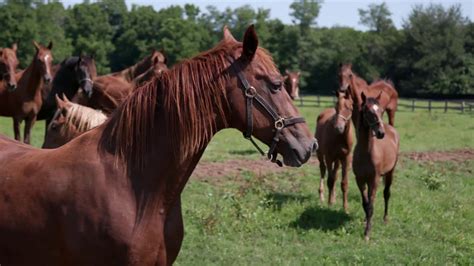
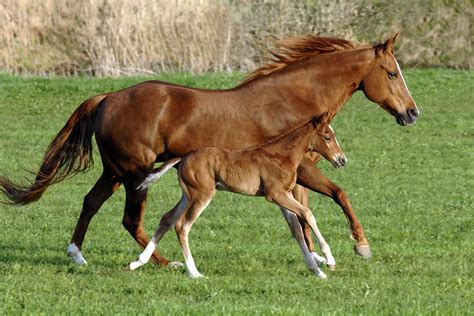
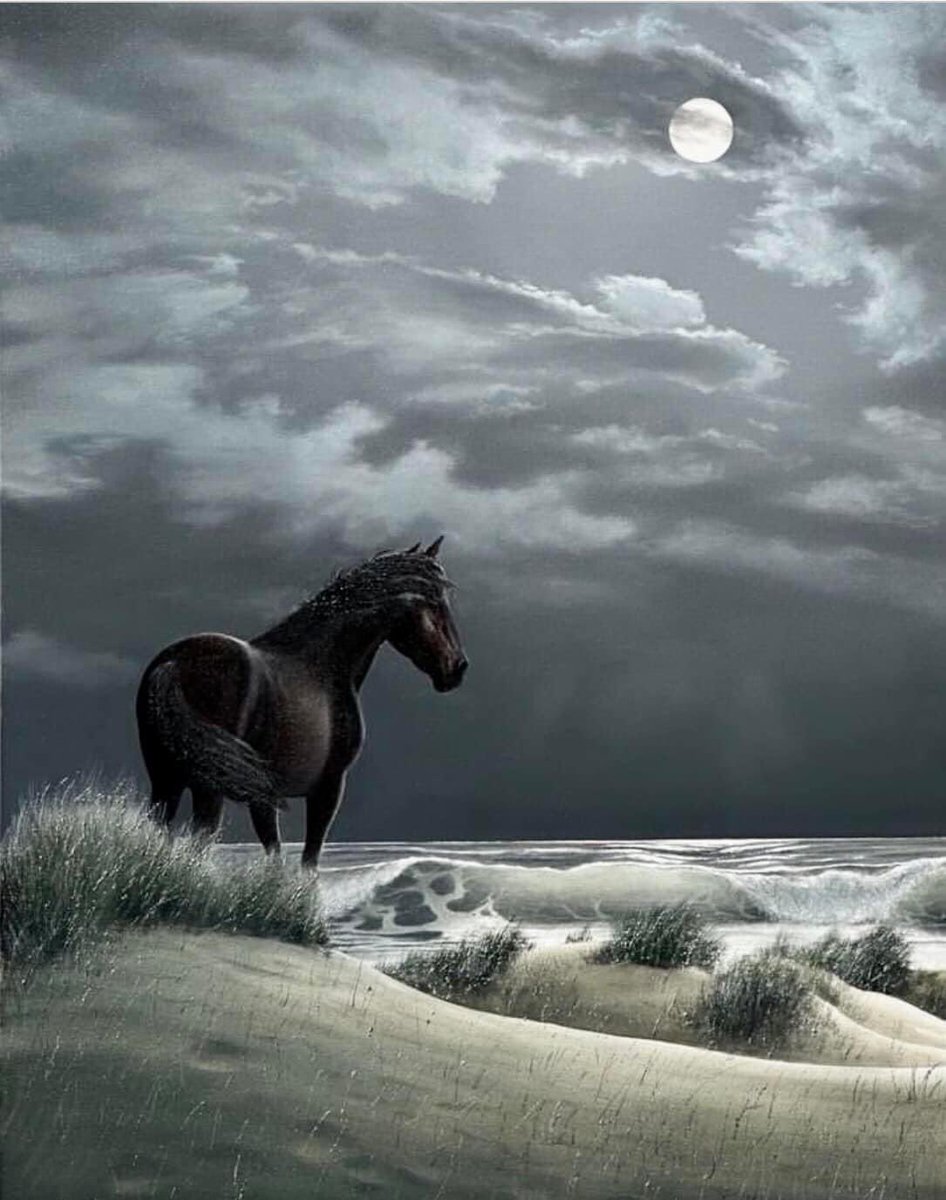
(click on images and titles for a closer look and/or sources)
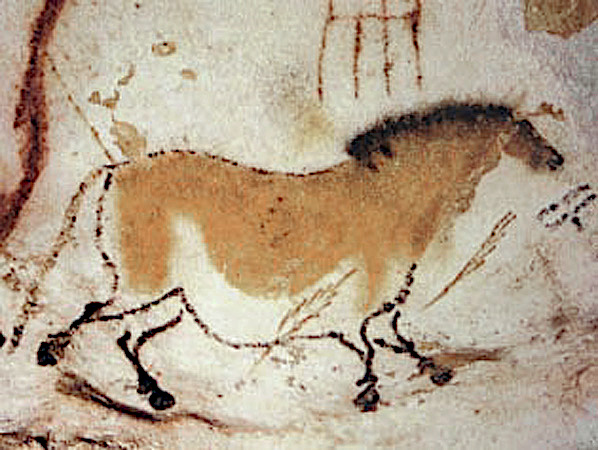
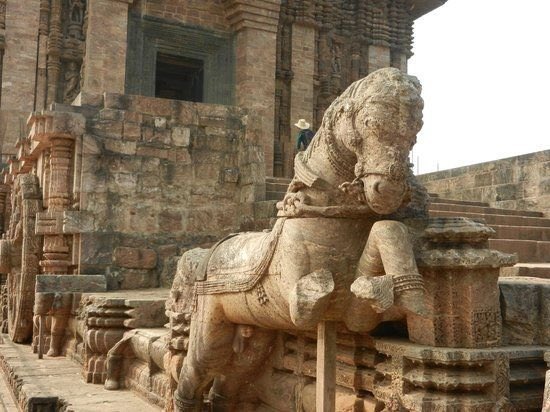
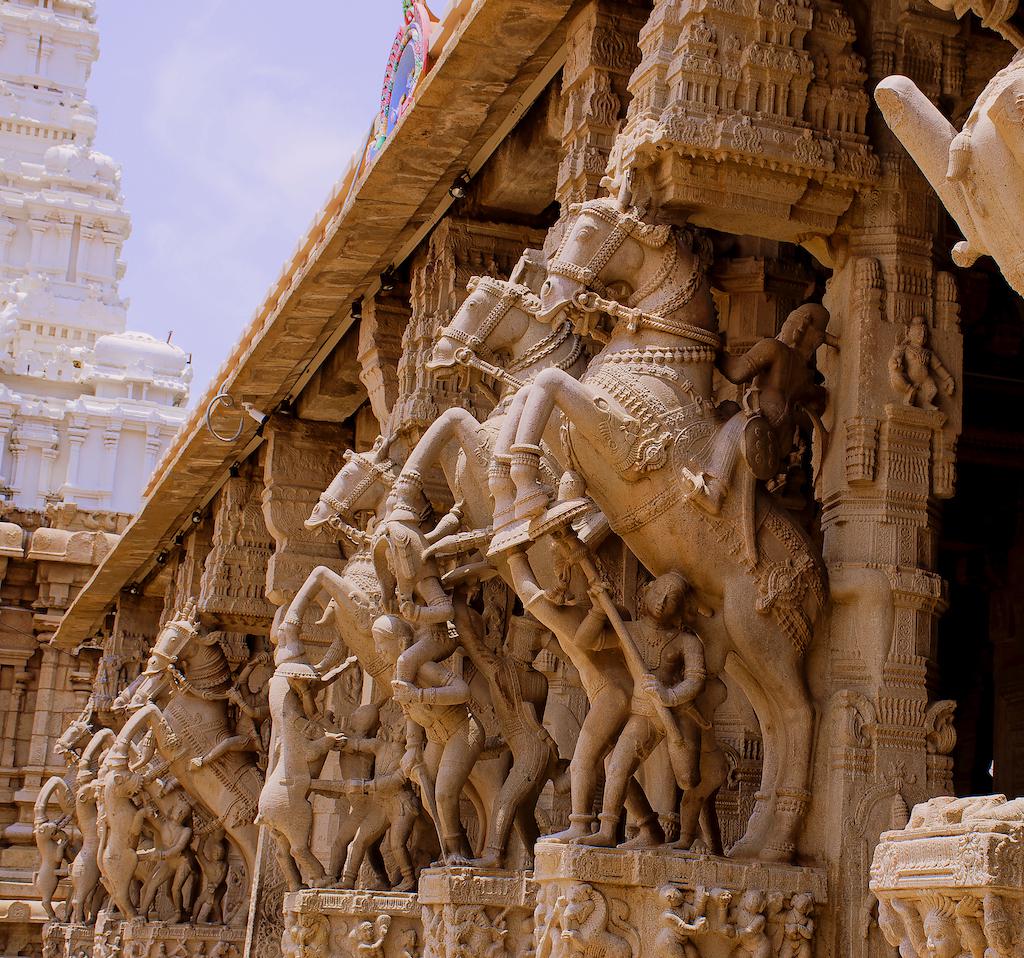
Horses! They’ve been a part of our landscape and imagination for thousands of years throughout many parts of the world.
Here in the United States, they were integral to the pioneering spirit of the early settlers as they wandered ever westward taking with them the horses they had brought from Europe. The native horse population had gone extinct long before European settlers arrived. In fact, for most of human history, the Americas had no horses at all despite the fact that they originally evolved here.1
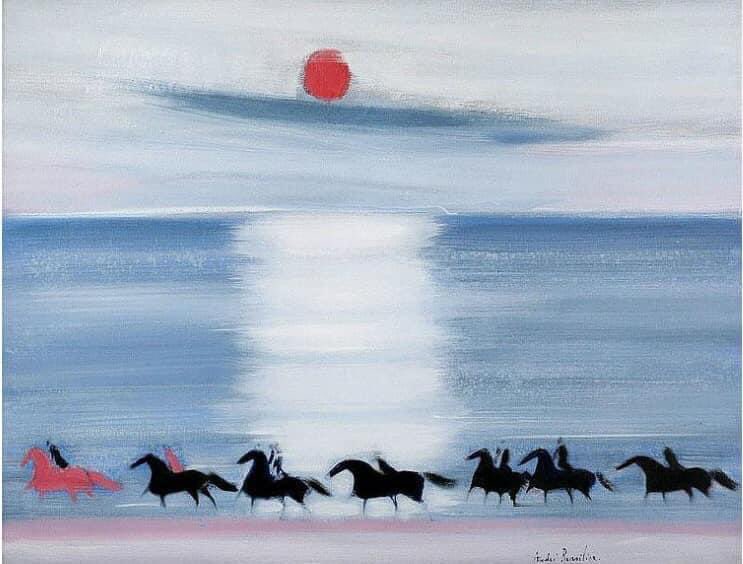
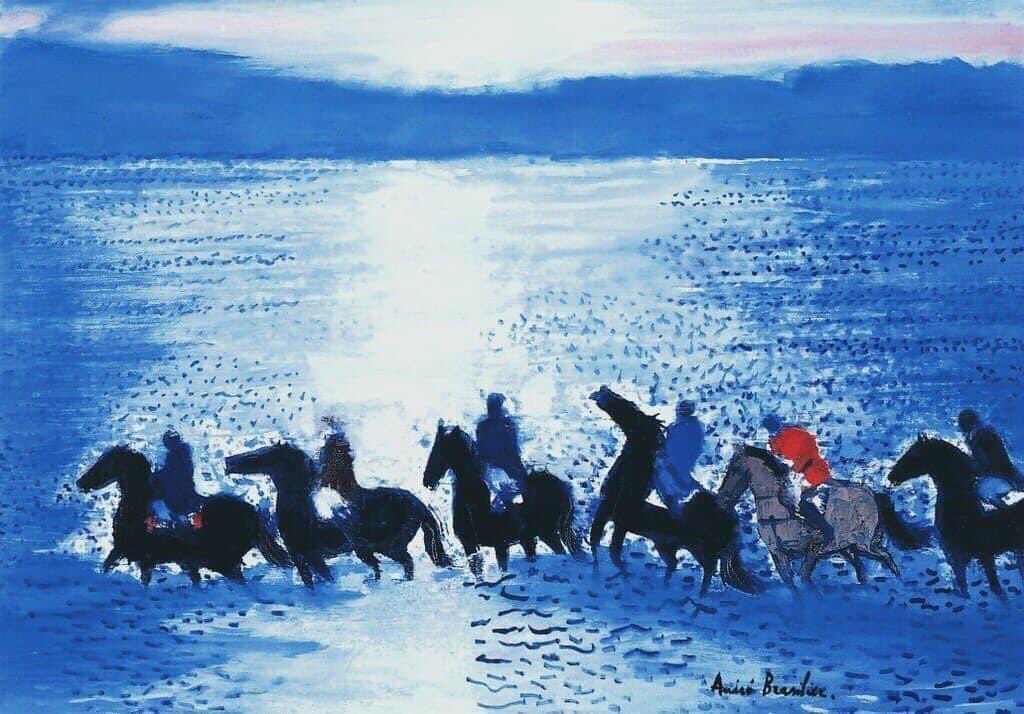
But when the horses arrived, they brought a new way of life to the indigenous and settler alike. Today on the Blackfeet Indian Reservation in Browning, Montana, horses are celebrated during the annual July “Running of the Horses.” Wild horses and ponies can be found all across the U.S., including the coastlines of Virginia and Maryland on Chincoteague and Assateague Islands. Those islands’ wild horses are believed to be descendants of horses on a Spanish galleon bound for America. The ship wrecked in a storm, but the horses were able to swim to safety on to the islands’ shores where they learned to survive on their own.
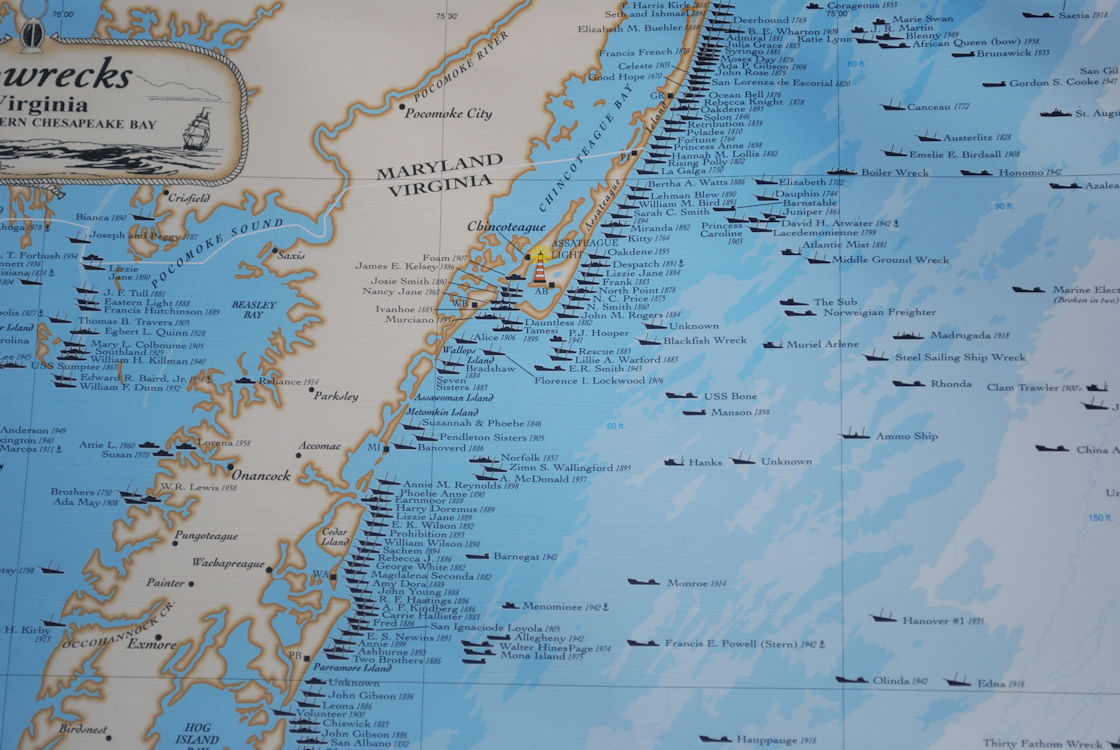
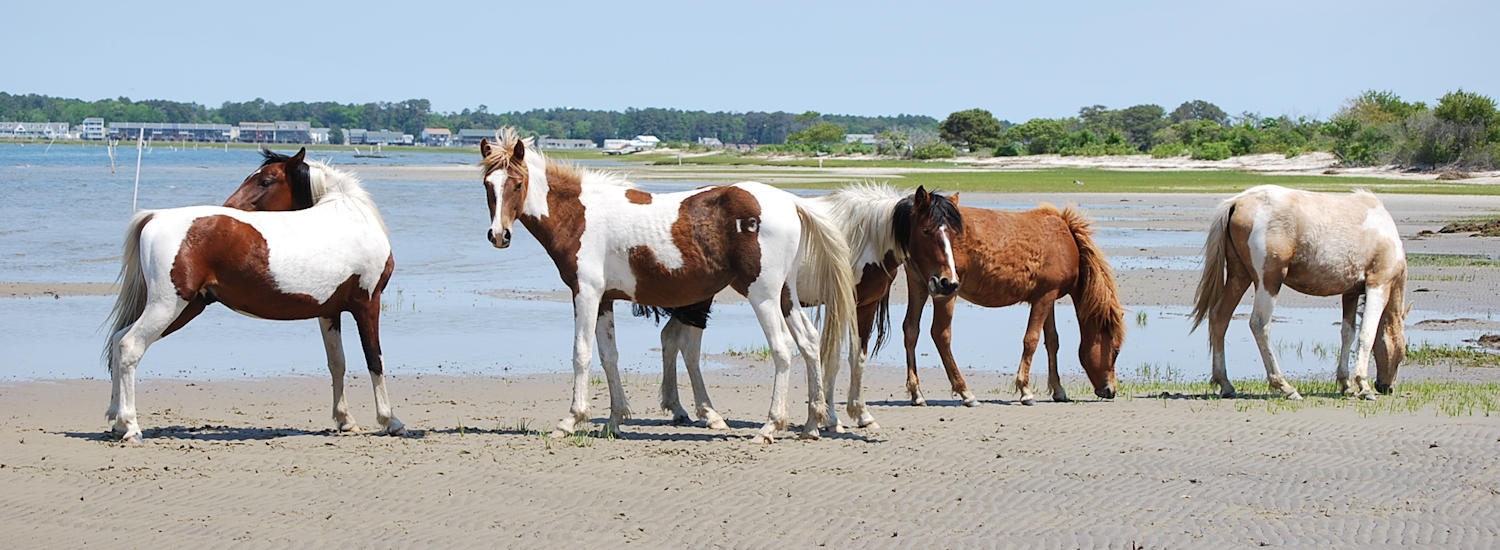
In order to feel our poetic oats, I’ve curated a few horse poems for us to look over.
They are by Jim Harrison, Pablo Neruda, Ted Hughes, Carol Ann Duffy, Edwin Muir, Emily Dickinson, Mary Oliver, and two by the current U.S. Poet Laureate Ada Limón.
But first, a video that to me expresses the almost preternatural bond that exists between children and horses. What child hasn’t dreamed of owning her own special horse on whose legs she flies like the wind? And what child hasn’t yearned to be a cowboy or cowgirl riding over the plains in pursuit of game or a knight on his steed to battle dragons? And just look at the countless childrens’ books and stories on horses.
Yet when the books have been read, it boils down to the horse, his human companion, and what goes on between them.”
Walter Farley (author of The Black Stallion)
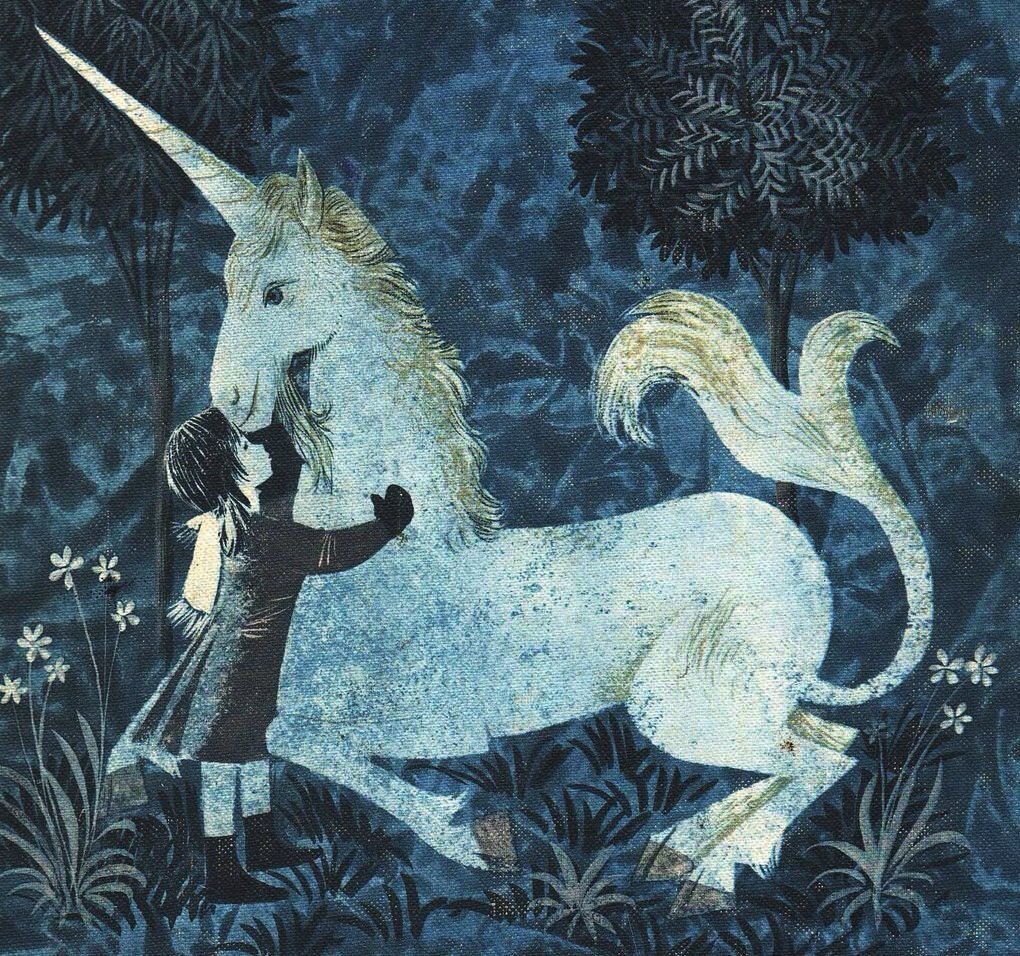
Not only do we bond and communicate with horses but there’s a special language between horses themselves.
“Horses” by Jim Harrison from Songs of Unreason
In truth I am puzzled most in life
by nine horses.
I’ve been watching them for eleven weeks
in a pasture near Melrose.
Two are on one side of the fence and seven
on the other side.
They stare at one another from the same places
hours and hours each day.
This is another unanswerable question
to haunt us with the ordinary.
They have to be talking to one another
in a language without a voice.
Maybe they are speaking the wordless talk of lovers,
sullen, melancholy, jubilant.
Linguists say that language comes after music
and we sang nonsense syllables
before we invented a rational speech
to order our days.
We live far out in the country where I hear
creature voices night and day.
Like us they are talking about their lives
on this brief visit to earth.
In truth each day is a universe in which
we are tangled in the light of stars.
Stop a moment. Think about these horses
in their sweet-smelling silence.
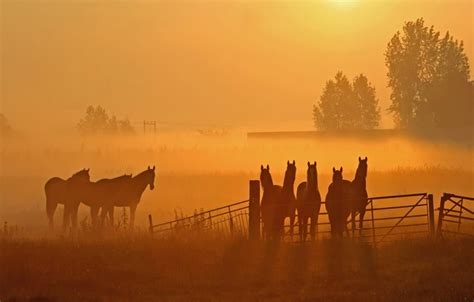
There’s something about the outside of a horse that is good for the inside of a man.”
Winston Churchill
Horses by Pablo Neruda (trans. Lucy H. Boling)
I saw them from the window.
It was Berlin, in winter. The light
was lightless, the sky no sky.
The air white like damp bread.
And below my window, an empty arena
bitten by winter’s teeth.
Of a sudden, ten horses moved out
into the mist, led by a man.
They flickered as they came, like flames,
but in my eyes, they filled the world,
empty until that moment. Perfect, ablaze,
they were ten gods with long, flawless legs
and manes like the dream of salt.
Their buttocks were worlds, and oranges.
Their color was honey, amber, fire.
Their necks were towers
cut from the stone of pride,
and behind their furious eyes,
energy glared like a prisoner.
And there in the silence, in the middle
of the day, in the grim muddle of winter,
the vibrant horses were blood,
rhythm, alluring treasure of life.
I looked, I looked, and I was reborn: there,
unawares, was the fountain, the dance of gold, heaven, the fire that dwells in beauty.
I have forgotten winter in that dark Berlin.
I will not forget the light of the horses.
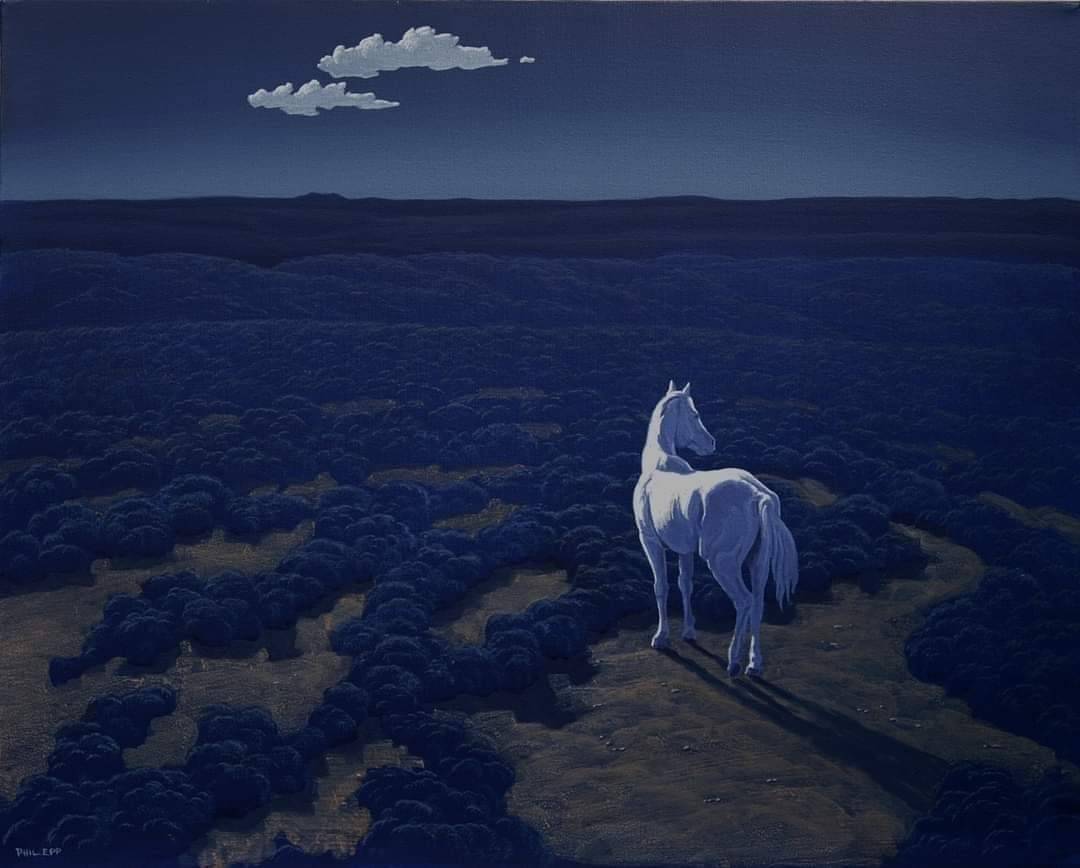
O lente, lente, currite noctis equi!” (“O run slowly, slowly, horses of the night!”)
Ovid’s “Amore” (Liber I, XIII, Line 40); the line is later used in Christopher Marlowe’s Dr. Faustus
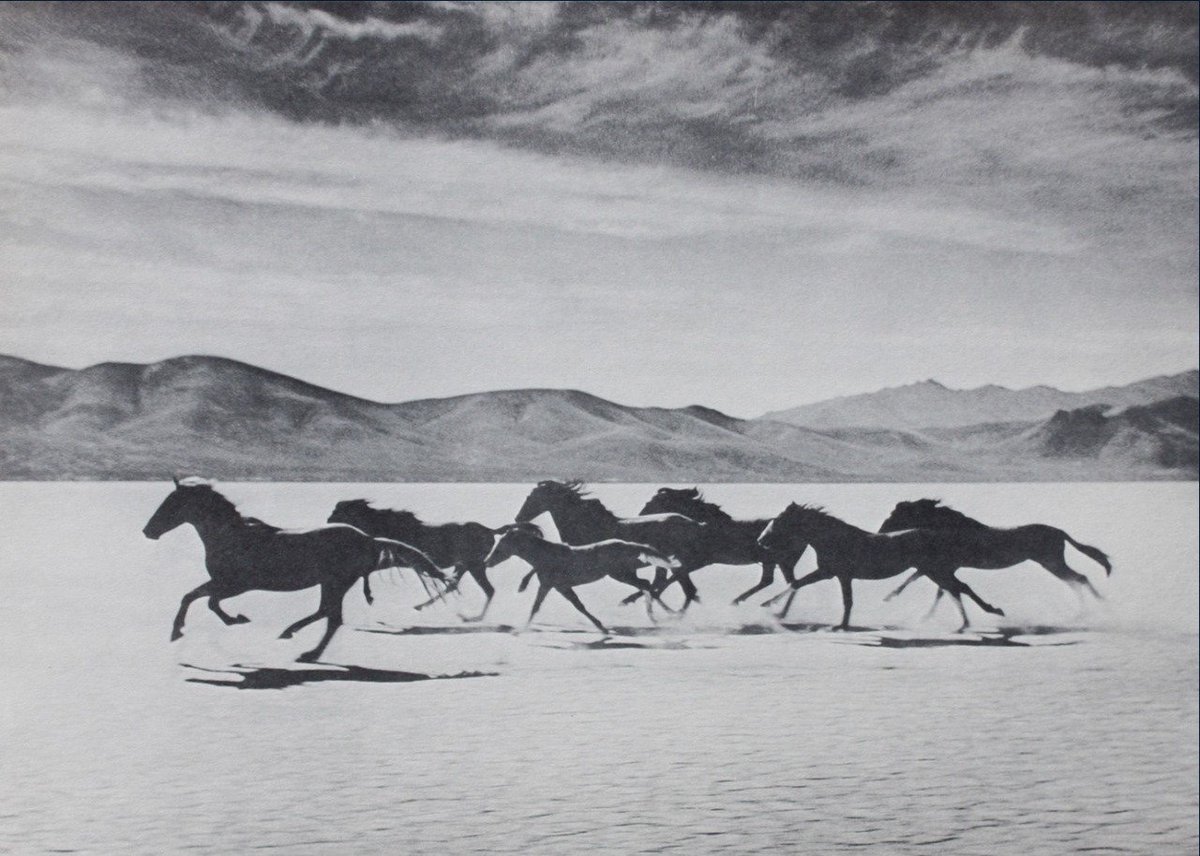
The Horses by Ted Hughes
I climbed through woods in the hour-before-dawn dark.
Evil air, a frost-making stillness
Not a leaf, not a bird –
A world cast in frost. I came out above the wood
Where my breath left tortuous statues in the iron light.
But the valleys were draining the darkness
Till the moorline – blackening dregs of the brightening grey –
Halved the sky ahead. And I saw the horses:
Huge in the dense grey – ten together –
Megalith-still. They breathed, making no move,
with draped manes and tilted hind-hooves,
Making no sound.
I passed: not one snorted or jerked its head.
Grey silent fragments
Of a grey silent world.
I listened in emptiness on the moor-ridge.
The curlew’s tear turned its edge on the silence.
Slowly detail leafed from the darkness. Then the sun
Orange, red, red erupted
Silently, and splitting to its core tore and flung cloud,
Shook the gulf open, showed blue,
And the big planets hanging –
I turned
Stumbling in the fever of a dream, down towards
The dark woods, from the kindling tops,
And came to the horses.
There, still they stood,
But now steaming and glistening under the flow of light,
Their draped stone manes, their tilted hind-hooves
Stirring under a thaw while all around them
The frost showed its fires. But still they made no sound.
Not one snorted or stamped,
Their hung heads patient as the horizons,
High over valleys in the red levelling rays –
In din of crowded streets, going among the years, the faces,
May I still meet my memory in so lonely a place
Between the streams and the red clouds, hearing the curlews,
Hearing the horizons endure.
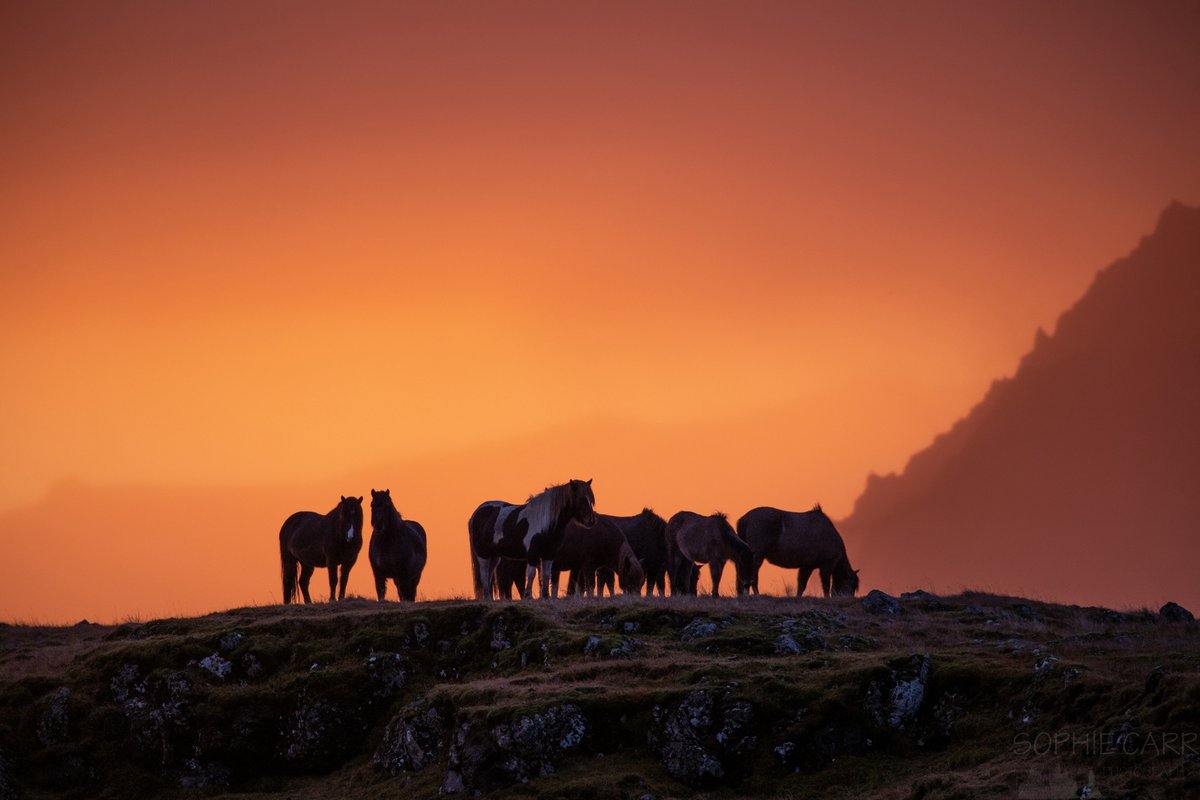
Listen to a video reading of Carol Ann Duffy’s “The White Horses” based on the thirteen white horses cut into the hillsides of Wiltshire in England (a transcript of the poem is included in the video).
What have we lost since the days when horses were ubiquitous for labor and travel? What can we regain?
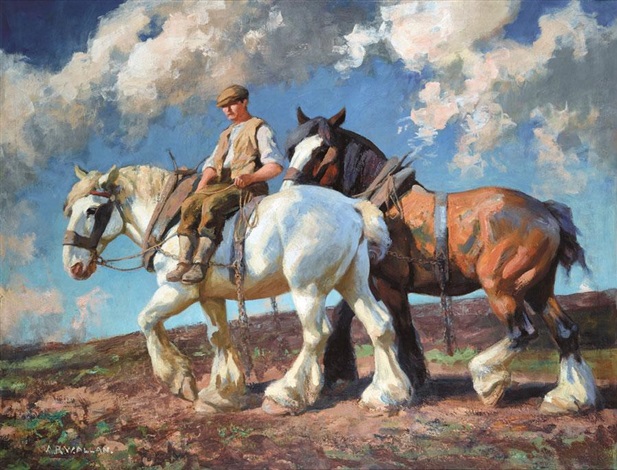
The Horses by Edwin Muir
Barely a twelvemonth after
The seven days war that put the world to sleep,
Late in the evening the strange horses came.
By then we had made our covenant with silence,
But in the first few days it was so still
We listened to our breathing and were afraid.
On the second day
The radios failed; we turned the knobs; no answer.
On the third day a warship passed us, heading north,
Dead bodies piled on the deck. On the sixth day
A plane plunged over us into the sea. Thereafter
Nothing. The radios dumb;
And still they stand in corners of our kitchens,
And stand, perhaps, turned on, in a million rooms
All over the world. But now if they should speak,
If on a sudden they should speak again,
If on the stroke of noon a voice should speak,
We would not listen, we would not let it bring
That old bad world that swallowed its children quick
At one great gulp. We would not have it again.
Sometimes we think of the nations lying asleep,
Curled blindly in impenetrable sorrow,
And then the thought confounds us with its strangeness.
The tractors lie about our fields; at evening
They look like dank sea-monsters couched and waiting.
We leave them where they are and let them rust:
‘They’ll molder away and be like other loam.’
We make our oxen drag our rusty plows,
Long laid aside. We have gone back
Far past our fathers’ land.
And then, that evening
Late in the summer the strange horses came.
We heard a distant tapping on the road,
A deepening drumming; it stopped, went on again
And at the corner changed to hollow thunder.
We saw the heads
Like a wild wave charging and were afraid.
We had sold our horses in our fathers’ time
To buy new tractors. Now they were strange to us
As fabulous steeds set on an ancient shield.
Or illustrations in a book of knights.
We did not dare go near them. Yet they waited,
Stubborn and shy, as if they had been sent
By an old command to find our whereabouts
And that long-lost archaic companionship.
In the first moment we had never a thought
That they were creatures to be owned and used.
Among them were some half a dozen colts
Dropped in some wilderness of the broken world,
Yet new as if they had come from their own Eden.
Since then they have pulled our plows and borne our loads
But that free servitude still can pierce our hearts.
Our life is changed; their coming our beginning.
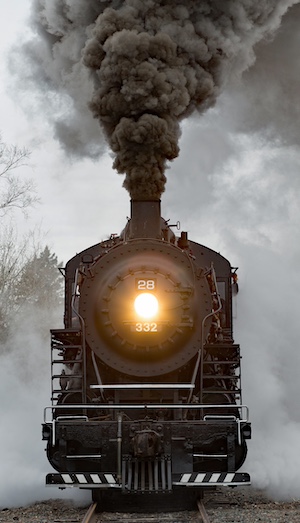
Modes of travel and work may change but do we not still use equine terms like horsepower and stalking horse, and in adages (“don’t spare the horses!”) and, as Emily Dickinson, equine metaphors personifying machines into creatures of affection and admiration?
I like to see it lap the Miles – (383) by Emily Dickinson
I like to see it lap the Miles –
And lick the Valleys up –
And stop to feed itself at Tanks –
And then – prodigious step
Around a Pile of Mountains –
And supercilious peer
In Shanties – by the sides of Roads –
And then a Quarry pare
To fit its sides
And crawl between
Complaining all the while
In horrid – hooting stanza –
Then chase itself down Hill –
And neigh like Boanerges –
Then – prompter than a Star
Stop – docile and omnipotent
At its own stable door –
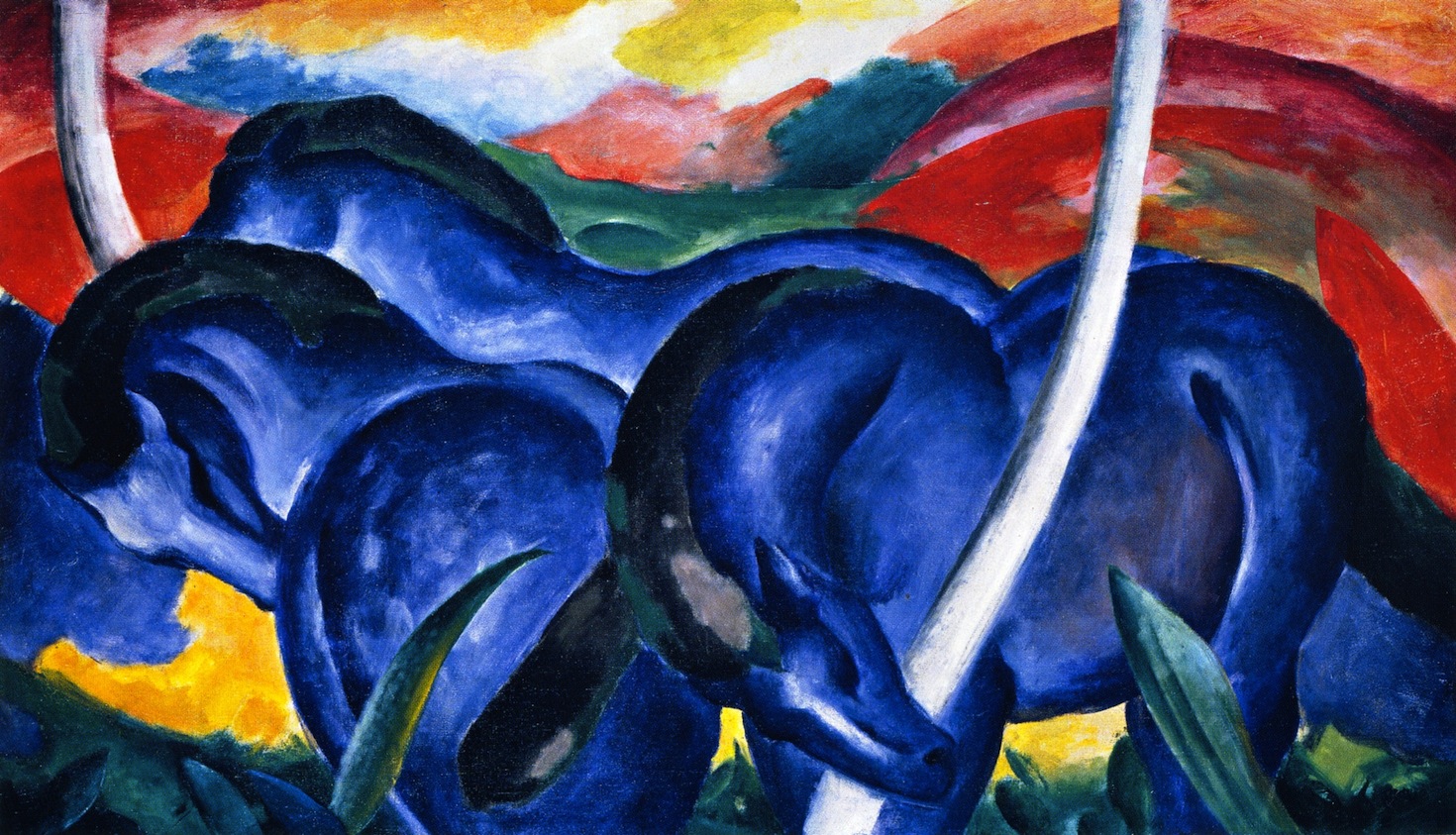
The following ekphrastic poem by Mary Oliver makes a painting of horses come to life, breathing a hope for humanity.
Franz Marc’s Blue Horses by Mary Oliver
I step into the painting of the four blue horses.
I am not even surprised that I can do this
One of the horses walks towards me.
His blue nose noses me lightly. I put my arm
over his blue mane, not holding on, just
commingling.
He allows me my pleasure.
Franz Marc died a young man, shrapnel in his brain.
I would rather die than try to explain to the blue horses
what war is.
They would either faint in horror, or simply
find it impossible to believe.
I do not know how to thank you, Franz Marc.
Maybe our world will grow kinder eventually.
Maybe the desire to make something beautiful
is the piece of God that is inside each of us.
Now all four horses have come closer,
are bending their faces toward me
as if they have secrets to tell.
I don’t expect them to speak, and they don’t.
If being so beautiful isn’t enough, what
could they possibly say?
That some people are happy to live their lives around horses is almost as baffling as the fact that horses are happy to live their lives around humans.”
Anonymous
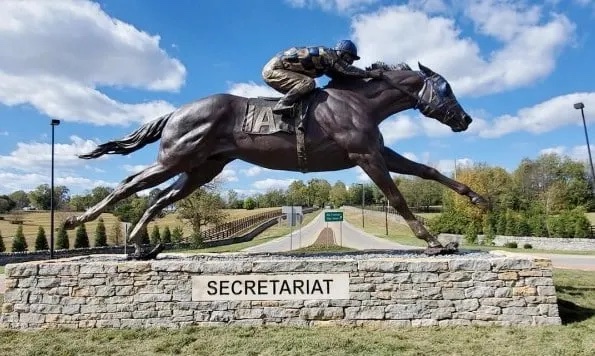
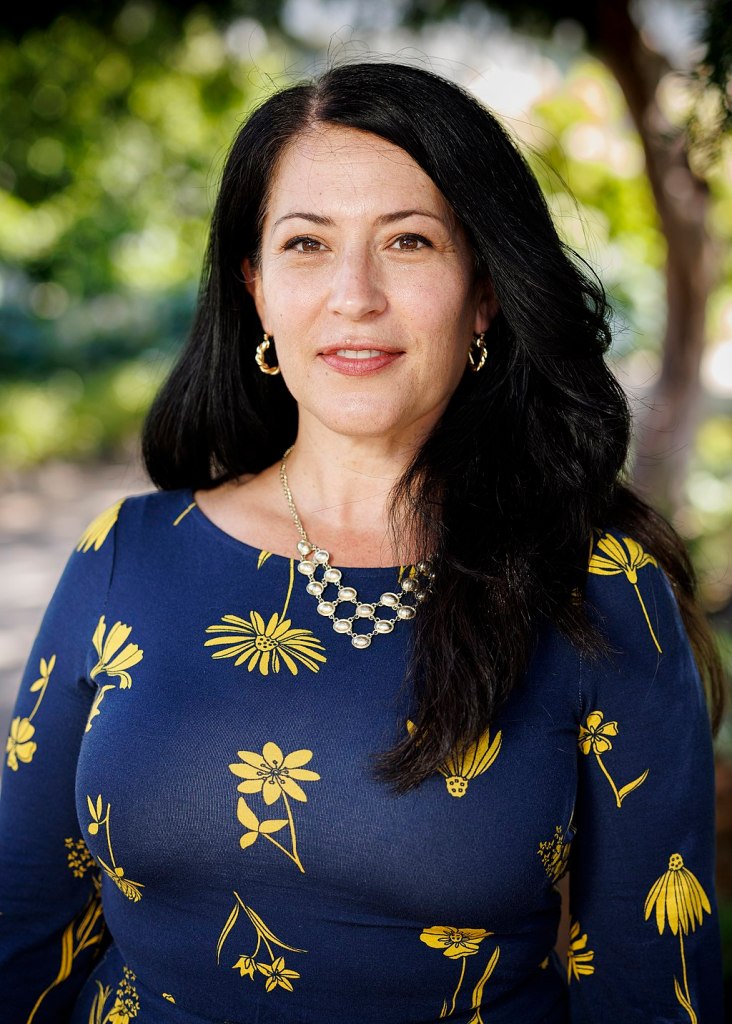
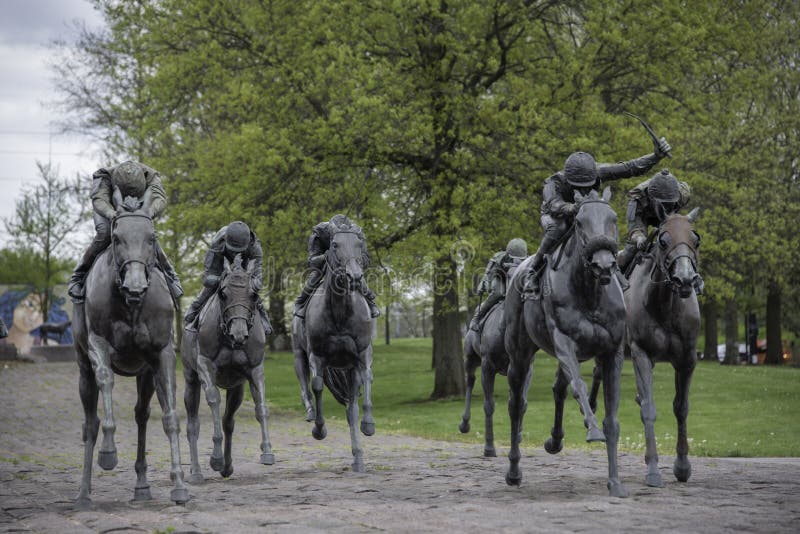
Some years ago, poet Ada Limón, the current Poet Laureate of the United States, moved from New York City to the horse country of Lexington, Kentucky, where every year the most famous horse race in the world is run, the Kentucky Derby. In a book called “Bright Dead Things,” she writes about adjusting to a new home, and the constant talk of thoroughbreds. “People always asking, ‘You have so many horses in your poems—what are they a metaphor for?’” she told the New Yorker Radio Hour. “I think they’re not really a metaphor. Out here, they’re just horses.” Hear her read the following poem in the latter half of this podcast episode here.
How to Triumph Like a Girl by Ada Limón
I like the lady horses best,
how they make it all look easy,
like running 40 miles per hour
is as fun as taking a nap, or grass.
I like their lady horse swagger,
after winning. Ears up, girls, ears up!
But mainly, let’s be honest, I like
that they’re ladies. As if this big
dangerous animal is also a part of me,
that somewhere inside the delicate
skin of my body, there pumps
an 8-pound female horse heart,
giant with power, heavy with blood.
Don’t you want to believe it?
Don’t you want to lift my shirt and see
the huge beating genius machine
that thinks, no, it knows,
it’s going to come in first.
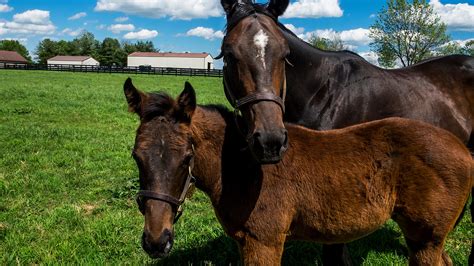
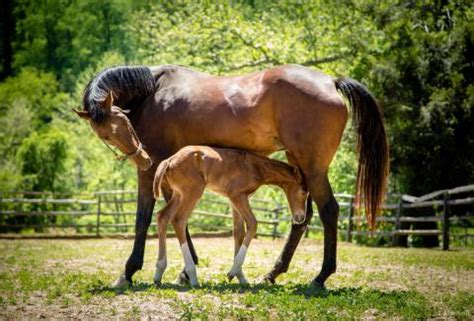
The Foaling Season by Ada Limón
1
In the dew-saturated foot-high blades
of grass, we stand amongst a sea
of foals, mare and foal, mare and foal,
all over the soft hillside there are twos,
small duos ringing harmoniously in the cold,
swallows diving in and out, their fabled
forked tail where the story says the fireball
hit it as it flew to bring fire to humanity.
Our friend the Irishman drives us in the Gator
to sit amongst them. Everywhere doubles
of horses still leaning on each other, still nuzzling
and curious with each new image.
2
Two female horses, retired mares, separated
by a sliding barn door, nose each other.
Neither of them will get pregnant again,
their job is to just be a horse. Sometimes,
though, they cling to one another, find a friend
and will whine all night for the friend
to be released. Through the gate, the noses
touch, and you can almost hear—
Are you okay? Are you okay?
3
I will never be a mother.
That’s all. That’s the whole thought.
I could say it returns to me, watching the horses.
Which is true.
But also I could say that it came to me
as the swallows circled us over and over,
something about that myth of their tail,
how generosity is punished by the gods.
But isn’t that going too far? I saw a mare
with her foal, and then many mares
with many foals, and I thought, simply:
I will never be a mother.
4
One foal is a biter, and you must watch
him as he bares his teeth and goes
for the soft spot. He’s brilliant, leggy,
and comes right at me, as if directed
by some greater gravity, and I stand
firm, and put my hand out first, rub
the long white marking on his forehead,
silence his need for biting with affection.
I love his selfishness, our selfishness,
the two of us testing each other, swallows
all around us. Every now and then, his
teeth come at me once again; he wants
to teach me something, wants to get me
where it hurts.
What do horses mean to you? In what ways do you relate to them, if at all? Join me in putting pen to paper or fingers to keyboard, and let’s horse around with equine thoughts, writing a poem (or two) using as inspiration these magnificent animals – their lives so intertwined with ours over the centuries.
New to dVerse? Here’s how to join in:
- Write a poem in response to the challenge.
- Post your poem on your blog and link back to this post.
- Enter your name and the link to your post by clicking Mr. Linky below (remember to check the little box to accept the use/privacy policy).
- Read and comment on your fellow poets’ work –- there’s so much to derive from reading each other’s writing: new inspiration, new ideas, new friends. Enjoy!
 dVerse
Pub doors are open — Come on in and welcome. Can’t wait to read your equine poems!
We have a post-derby-day-themed menu for your perusal. Sweet Pea-Avocado Soup, Strawberry Caprese Salad, Hot Brown Party Rolls and Hot Brown Casserole (favorites at the Kentucky Derby), fruity Black-Eyed Susan Slushies (the official drink at the Preakness Stakes) and Sweet Tea or the Classic Mint Julep (a staple at Churchill Downs). On the dessert menu, Chocolate-Bourbon Pecan Pie, Black Raspberry and Cream Soft Serve (ice cream)
As always, the pub is ready to serve whatever you desire.
Good evening poets and thank you for the horse prompt, Dora! I love horses, enjoyed the images and the poems you have provided as inspiration. I’m still poorly, very hot and breathless, so something cool would be most appreciated; I like the look of the classic mint julep and some ice cream, please.
I’m so glad you could join us though you’re feeling poorly, Kim! Classic mint julep and ice cream headed your way, and lots of hugs.and a hope that you get well soon.
Thank you, Dora! I’ve only just received some Covid test kits, so I’ll find out in the morning if I’m positive or if I just have a summer cold.
Keeping my fingers crossed, Kim, and sending prayers. Take good care. 🥰
🙏
Kim, Did you mean to comment with a Facebook link? I’ve put it in “pending” until you let me know. I don’t have a Facebook account.
I did. It was a fun cartoon. But I couldn’t past the image, so I tried the link. Would you mind deleting it, please?
Will do.
Hi Dora. I have absolutely no experience with horses, except that one of my favourite poems is ‘The Highwayman’ by Alfred Noyes! 😊
But I enjoyed writing for your prompt drawing inspiration from mythology.
What a great idea, Punam! I love Noyes’ poem too. I’m sure you’ve heard Loreena McKennit’s rendition of it in song? Simply beautiful.
I have, Dora. It is fabulous.
By the way, I loved the poems you selected, the pictures…in fact the entire post. 🥰
Thank you! I ended up cutting out some poems to not further tax anyone’s patience, but there are a lot of horse-lovin’ pots out there! 🤗💖
You are so welcome. Horses are lovely creatures. ❤️🤗
Oh I love The Highwayman too Punam! I was given a copy of The Torch Bearers when I went to University to study Astronomy
Kim, I am sure anyone who reads it falls in love with it. I remember for our college freshers party, we enacted this poem. Since it was an all-girls college, I was the highwayman with a bunch of lace at my throat. 
I bet you make a dashing highwayman!
Haha! That was ages ago, Kim! But what fun we had. Thanks. 😀
Posted and ready to gallop – thanks for the prompt!
Headed, I mean, galloping over to take a look, Nolcha! 😊.
😁😁😁
Hello Dora and all my wonderful dVerse friends! I’m hungry. May I please have a cup of the Sweet Pea-Avocado Soup and a Strawberry Caprese Salad? A Sweet Tea sounds great, too…🥣🥗🥤😅
Hi Melissa! So glad you dropped by and the kids could spare you a moment! Happy to get you your goodies, my friend. I loved your poem! 💖
hi dora
hi poets
the chocolate bourbon peacan pie sounds gooood yes please.
it is summer time and my mind wonders to all the places I would to visit.
it is a mighty long list. let them horses take me to them all, i will need to live to be 200 years old to get to them all.
rog
Hi Rog, Along with your pecan pie, I’m serving you up a team of immortal horses guaranteed to take you around the world right from your armchair! A web of horses, you might say, a world wide web. Ugh. Not the same, I know!
cheers 🥂
Hi Dora! Cheated just a tiny–I wrote my entry a few days ago, but it fits the bill too perfectly. I’ll go for a bespoke one, too, I promise!
Hi Xan! Lovely to see you. Hey, if it fits, it fits! 🙌😊
Good afternoon, poets! Thanks, Dora, for the majestic, equine inspiration!
Hello, Frank! Good to see you. I’m so glad you enjoyed the prompt.😊
Hi Dora and all! Thank you for hosting and for the prompt. I hope my response with a different sort of horse is OK.
Hi Merril, Now you’ve gone and done it. My ears are pricking with curiosity. Can’t wait to read! 🙂
😂
Hi Dora. Thanks for hosting this most interesting prompt. Horses are wonderful creatures. They are so fun to watch, and for many to ride. I love the song Wildfire. It is so well done.
Hi Dwight, It’s such a memorable song, haunting really. I just finished reading your poem and loved it and your painting. Simply beautiful, my friend.
Hello all! Thank you for hosting Dora. Wonderful prompt my friend. 👍🏼 Took me on a gallop to joy. 🙂✌🏼🫶🏼
Hello Rob! I loved where you took us on the poetry trail, the horse imagery pitch perfect for the lyrical note you struck and where it comes to rest so beautifully. 🙌🙌☮️💖😊
Dora,
I had to stop in to the pub and say hello (and eat a bite of yummy food-a sip of delicious, too!). This entire piece on horses moved me. Every poem, the songs, …I don’t know how to choose what stood out the most. The history, the love, and “soulfulness” of these magnificent creatures on poetic display by so many amazing poets. Your words were magical,…everyone!
Right before I was diagnosed with the “c”, my hiking tribe and I “galloped” around wild horses in Arkansas. In parts of eastern Missouri near one of my favorite rivers near Eminence, roams a group of wild horses. When I think of the west I tear up about my ride in the Rockies and even on a sweet Mule in Montana. Thank you for this awesome space for creativity, kindness, love, and mutual sharing of gifts! It’s a delight to stop by! Much love, Dora,…always, Karla
Dear Karla, I’m so glad you dropped by and so thankful for you, my friend, your heart in every word you write. I hope the days are going well for you. I need to head over to your blog and catch up with you. What a tale of your travels on and around horses! God’s creation is awesome. I’m glad you’re enjoying the dVerse poems and I’d be overjoyed if you joined in! But I’ll settle for your beautiful comment! Take good care. Love to you, Dora 🙏🏽🥰💖🤗🥰
Thank you, sweet Dora. It’s a blessing to be here. I appreciate you so much! I pray you are managing RA and as always, your heart is golden! I love you, dear friend. 🙏🏻🙏🏻💕💚🩷💛🩵
There’s so much to be thankful for, isn’t there? “His mercies are new every morning.” And so thankful for your bright spirit in the darkness. Keep pressing on, sister! You’re always in my prayers.💖🥰
wow ! I love these snaps: I can see how they turn poets on —
Aren’t they great?! I confess finding the snaps is part of the fun of putting prompts together for me. Oh, and the poetry, of course! 😂
you did well with this lot: I am coming around to the idea of writing on a prompt 🙂
Now you’re talkin’! 😊🙌
Thanks for this prompt, Dora (and so many lovely photos and poems)! There are admittedly very few horses near where I live, so I decided to play around with the concept 🙂
Can’t wait to read what you’ve come up with, Chris! I had to reach far back into my memory as I only occasionally see horses now. Thanks for joining in! 😊
It looks like you really love horses! Thanks for the prompt.
I really do, probably colored by my first experience with them. I loved your poem about the Brumbies. Learned a lot too. So glad you joined in, Sean!
Thanks for the prompt Dora, I do like horses, I rode briefly on the farm back in the day. I’ve trotted a poem out in response 🙂
Can’t wait to see what came out of the poetry stables, another beauty, I have no doubt! 😊Thanks, Paul.
I love this prompt, Dora! As a former equestrian and hunter-jumper trainer, these poems fill me with so much joy and great memories. This is the second time in the past week that something writing-related has brought to mind my first and favorite horse and partner-in-crime at horse shows, Petey, so I think I’ll have to write about him.
While I write and read everyone’s poems, I’d love to sample that sweat pea and avocado soup with a tall glass of sweet tea.
Oh I’m so glad the prompt brought back good memories! And I’m looking forward to reading your poem as well. Thank you, Cris.
In the meantime, soup and a tall glass of sweet tea coming right up, and I think I’ll join you!
Horses are amazing. Thanks for this challenge, Dora!
As is your poem, Jennifer! Thanks so much for joining in. 😊
Thank you, Dora. Your is amazing as well! Thank you for hosting so graciously~
🙏🏽🥰
This is indeed a thought provoking prompt, Dora. Thank you for hosting. I’ve no experience with horses, so I ended up writing a limerick. Thank you for the wonderful poems that you’ve curated. 🙂
I’m so glad you enjoyed them, Aishwarya. It was impossible to leave out even one though I did delete a Walt Whitman that struck me rather oddly in hindsight. I loved your limerick. A masterful one. ❤️
Lafayette I am here! What a marvelous subject. “Wildfire” can still make me cry.
You too?! From the first time ages ago to this very last. If ever a song needed a tearjerker warning, this is it! Indeed you ARE here. A kingdom for a poem, I say. 😊
1 poem, delivered, by Pony Express of course!
And it’s brightened up my day on this gray day, dear Shay! 🎶😊
what a wonderful site! I would be thrilled if you’d write a guest blog post about your writing for my site! If you think it might be fun or helpful to have my followers meet you, here’s the link for general guidelines: https://wp.me/p6OZAy-1SOc
Kim, I am sure anyone who reads it falls in love with it. I remember for our college freshers party, we enacted this poem. Since it was an all-girls college, I was the highwayman with a bunch of lace at my throat. 😉
Pingback: Poetics Tuesday: Creature Feature | dVerse