
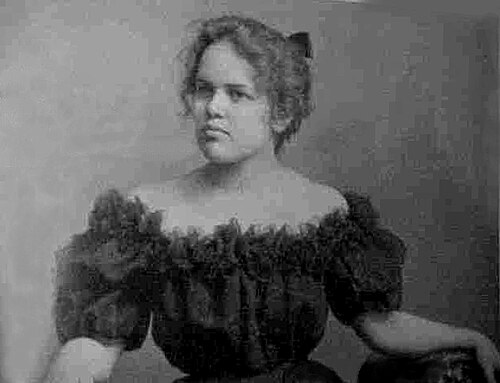
When I started to write poetry one of my go-to forms was the (American) cinquain, this was a nice one that fitted well into twitter when it was only 140 characters. The form was once created by Adelaide Crapsey (September 9, 1878 – October 8, 1914) and heavily influenced by short Japanese poetry such as haiku and tanka, her collection as well as the form was published posthumously.
It is a short poem based on syllable count.and is a five-line poem with a syllable count of 2-4-6-8-2, but there are plenty of variations.
Here is one of her cinquains:
November Night
Listen…
With faint dry sound,
Like steps of passing ghosts,
The leaves, frost-crisp’d, break from the trees
And fall.
You may use this form as a single stanza, you may reverse and/or or do it as a mirror. When done well it also bridges into concrete or shape poetry, as it may be shaped as an arrow, you may even want to use it as the poem of a haibun.
We have done this form a few times before. Laura for instance did one to celebrate Cinco de Mayo.
Play with the form, see what line-breaks may do, and when you are ready post it to your blog, link back to dVerse. If you like, leave a comment below, and even more important visit some of the other poets who have linked up.
Pley and have fun.
 dVerse
Welcome everyone…. tonight we high-five each other with everything the bar has to offer and the best of short poetry…. have fun
High five!✋🏻
✋✋
Hi Bjorn. Thank you for hosting. I love short poetry. High-five back to you.
I hope to see many
Hive five everyone! I have mirrored with a little distortion for this cinquain prompt. I would love a non-alcoholic sparking rose, please, Björn.
That sounds delicious… I might pour one for myself as well.
Pulled one from an old diary! A fun form. Hope to do a few more later.
Am expecting guests tomorrow and they’re staying the weekend. Will catch up with the rest of the entries as soon as possible.
Glad you liked to write it and happy hosting
Thank you, Bjorn, for your wonderful prompt.
Having a Strawberry Mimosa in honor of d’Verse pub – wish I could share!
Thank you, glad that you enjoyed it
Good Evening! I used to play around with this form but, it has been a while. Thanks for a fun prompt. High Five – I’d love a glass of wine it’s been a long day.
I realized it was a while. So a reminder was great
One of my favorite forms! 🙌
Happy for that
Hi, Bjorn. Nice to play with the cinquain again; it’s been a while. I was surprised by the birth and death dates you showed; had not realised Adelaide died so young. I have now Googled her, and also discovered what a very enterprising young woman she was. Good to know.
Spring is trying to happen here DownUnder, also it’s morning here now, so I’ll join Kim and you in that non-alcoholic rosé, please and thank you.
I knew very little about her as well, but from what I understood she was quite sickly as well as enterprising
🙌🏼 Thanks for hosting, Björn.
My pleasure
One of my fave forms, and I always love a revisit, time to practice and play, many thanks for hosting us Bjorn. 🙂
It was a while for me as well so it was great for me as well
Wonderful
Thank you for hosting. I enjoy the form.
Me too, and sometimes short is good I think
Short is good. But today, or should I say, in the night, I went long with a double chain. All because I had nothing to write about.
Hello Björn, thanks for hosting. I enjoyed writing in this form, it was my first time writing a Cinquain.
Nice to see that it’s new to some of you. It is a very versatile form
Hello, dVerse! It’s been awhile. Many thanks to Bjorn. This was a fun form and I’m looking forward to writing it in the future.
It is a very fun form to vary and play with.