Tags
Fate, Fortune, Krisis, Poetics, Robert Frost, William Shakespeare
Hello, dVerse Poets! It’s Merril wondering if we were fated to meet at this moment on this page . . .
But first an announcement about the dVerse Anthology. You can be a part of it!
Call for Poetry Submissions: Krisis: Poetry at the Crossroads (Working Title)
In celebration of our 15th anniversary in 2026, dVerse Poets Pub invites poets from around the globe to contribute to our upcoming anthology, Krisis: Poetry at the Crossroads. Rooted in the Greek word krisis, meaning a pivotal decision point, we seek poems that explore moments of transformation, choice, and change.
Submission Period: April 1, 2025 – June 30, 2025
Full details here.
********************************************************************************
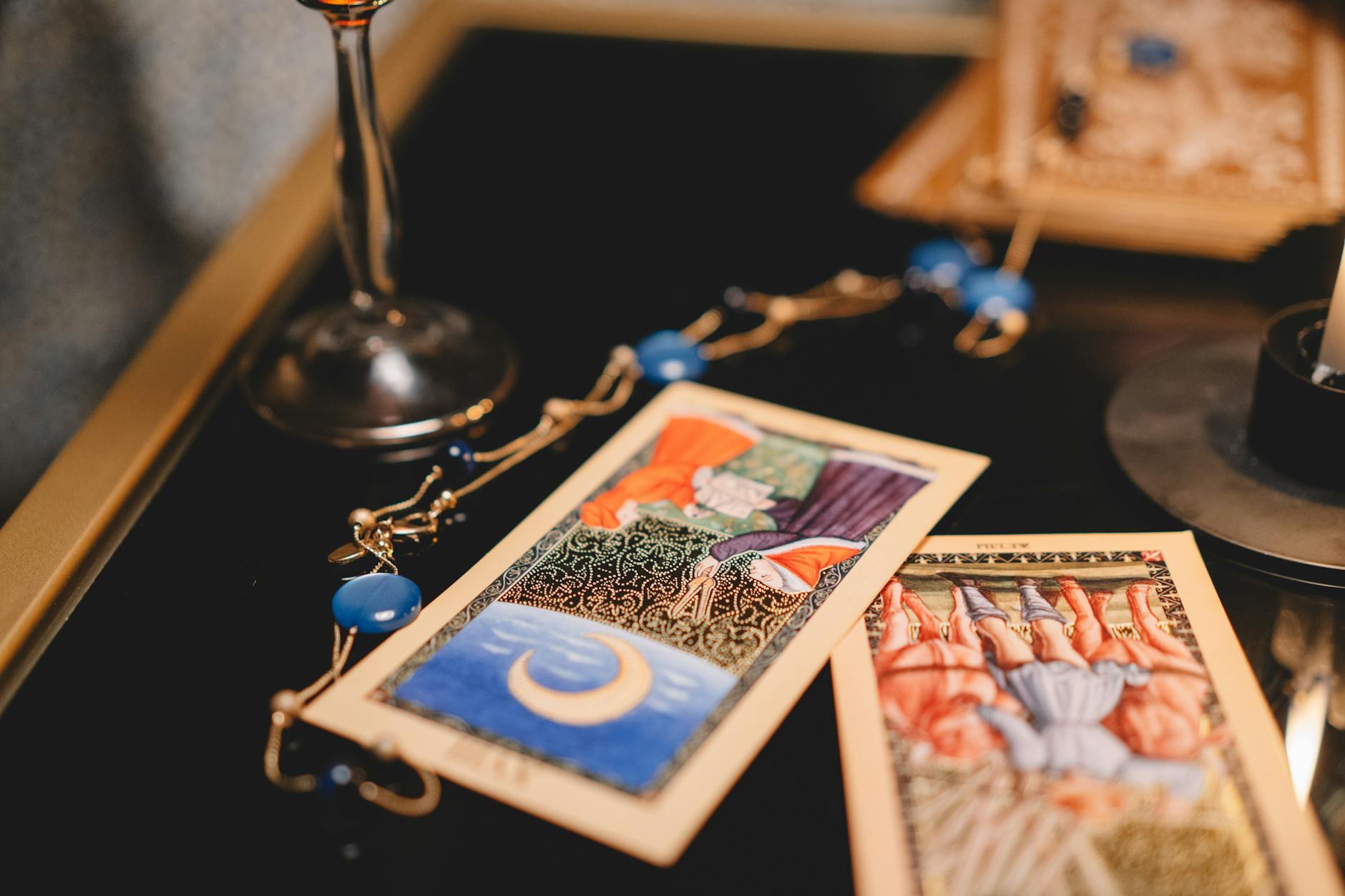
Today I’m asking you to think about fate. Some people believe what happens is preordained by a god or gods, or by the stars. Some may consult their daily horoscopes or star charts. In Shakespeare’s time, the ancient Roman idea of Fortune spinning a wheel was a popular conceit, as was the idea that Fate was a strumpet, loved by many, but faithful to no one.
“[You live] in the secret parts of Fortune?
O, most true; she is a strumpet.”
—Hamlet, 2.2.235, Hamlet to Guildenstern
Shakespeare famously announced in the prologue of Romeo and Juliet:
“From forth the fatal loins of these two foes
A pair of star-crossed lovers take their life;”
—Romeo and Juliet
And later, after killing Tybalt, Romeo cries,
“O, I am fortune’s fool!”
—Romeo and Juliet
Educated people of Shakespeare’s time believed in astrology. Thus, Shakespeare is saying the fates of Romeo and Juliet were preordained. However, he makes certain that their own choices and actions lead to their fate.
So, does fate determine what will happen to us or not? In this well-known quote from
Julies Caesar, Shakespeare suggests we can choose:
“Men at some time are masters of their fates:
The fault, dear Brutus, is not in our stars,
But in ourselves, that we are underlings.”
—Julius Caesar, 1.2.146, Cassius to Brutus
Every day we make choices, both large and small. We turn right instead of left; we take a job–or leave one. We decide to get married, to get divorced, to have children, to go on cruise, . . and on and on.
Robert Frost’s, “The Road Not Taken,”
is a deceptively simple and often misread poem. Read it carefully, and you will see he “took the other, just as fair,” but at some future point, he’ll sigh and say:
“Two roads diverged in a wood, and I—
I took the one less traveled by,
And that has made all the difference.”
We really don’t know if his life is good or bad. Did the narrator’s choice to take one road over the other make any difference?
For today’s prompt, I want you to write a poem about fate. How you interpret it, is up to you. You may choose to write your poem to fit the Krisis theme for the anthology. In other words, write about deciding something at a crossroads, the fate you intentionally choose or avoided. You may also or instead respond to Shakespeare or Frost.
Here’s what to do!
- Write a poem (in any form) in response to the challenge (Fate).
- Enter a link for your poem (not your website) and your name by clicking Mr. Linky below.
- Check the little box to accept the use/privacy policy.
- You will find links to other poets, and more will join so please do check
back later to read their poems. - Read and comment on other poets’ work– we all come here to have our poems read.
- Please link back to dVerse from your site/blog.
 dVerse
Hello, Everyone and welcome to the Poets’ Pub! I had forgotten today is Earth Day, so you might want to write your poems with that in mind, as well. It’s a beautiful day in South Jersey!
Sit down and order a drink and something to eat–maybe something spring like if you’re in my part of the world.
Many of us are busy with NaPoWriMo this month, but I hope you give the prompt a chance!
Happy Earth Day. I love the quote and challenge Merril. Just timely and fits with our 2026 Anthology. Thank you for hosting.
Hi Grace! Thank you! I’m pleased you liked the prompt. I love your poem!
Now when Easter has passed I have been catching up with the Quadrille, and written a poem for today…. I don’t mind a small glass of something a bit stronger today.
Hmmm. . .what would you like? Wine? Beer? A cocktail?
A dry martini perhaps?
Coming right up!
Pingback: On Birds and Light – Yesterday and today: Merril's historical musings
Hello Merril. Happy Earth day to all. Interesting prompt. 😊
Hello, Punam! Thank you! I hope you will have a chance to write to it.
You are welcome, Merril. I will surely write to it. 😊
Yay!
Posted. Good night all. Will catch up during the day.
Good night, Punam! Sweet dreams!
💙
My ballet shoes no longer fit. Do you have a foot soaker and Epsom Salts behind the bar?
They’re in the back room with our on-call massage therapist.
Greetings All … Lots to ponder with your prompt, Merril. I enjoyed taking it where I did. How about a flute of champagne this fine day? Spring is in the air, HOORAY.
A glass of our special reserve for you, Helen! 🍾
Very late to the party and have been somewhat absent from the pub these days. Shall try to get back in the swing of things….perhaps a nice cold glass of chardonnay, please.
Thanks for hosting Merril…..I chose to plunge deep into the Bard’s words…had fun pieceing my poem together….can’t seem to get aways from politics today though. I think on Thursday, I shall shift gears and write about serenity! 🙂
Hi, Lillian! It’s good to see you here. I’ve been somewhat absent from here, too, with so much going on this month. You’re up way past my bedtime, so I hope you helped yourself to the chardonnay. Going over to read now.
Pingback: Roberta Writes – d’Verse Poetics Fated and Thursday Doors #poetry #photography
Great prompt! Hope to participate. 😊
Welcome! I’m pleased you like the prompt!
Darn it! I missed the deadline again. Lol! Here is my contribution in case you want to read it.
https://yvettemcalleiro.blogspot.com/2025/04/one-step-at-time-dverse-crossroads-fate.html
Thank you anyway!
You can always add it to OLN.
Great idea! I just posted it. Thanks! 🙂
You’re welcome!
Hi Merril, I’m late with my poem for your prompt, but here it is:
http://www.poetlaundry.com/2025/04/now-then.html
Thank you! You can add it to OLN, if you want.
Pingback: The Time March – 19th April 2025 – 1994ever