In celebration of our fifteenth anniversary in 2026, the dVerse Poets Pub invites poets from around the globe to contribute to our upcoming anthology, Krisis: Poetry at the Crossroads. Rooted in the Greek word krisis, meaning a pivotal decision point, we seek poems that explore moments of transformation, choice, and change.
Submission period: April 1 – June 30, 2025. Click here to learn more.
Now, In June When the night is a vast softness, Filled with blue stars, And broken shafts of moon-glimmer Fall upon the earth, Am I too old to see the fairies dance? I cannot find them anymore.
Welcome to the dVerse Poet’s Pub! I’m Dora of Dreams from a Pilgrimage hosting our poetics challenge this week, my last until the fall as I ease back from blogging for a while.
But right now, it’s June and it’s almost summer for us in the Northern Hemisphere. That may mean vacations to look forward to, lots of travel and sightseeing, or enjoying leisurely days at home.
When you arise in the morning, think of what a precious privilege it is to be alive – to breathe, to think, to enjoy, to love.
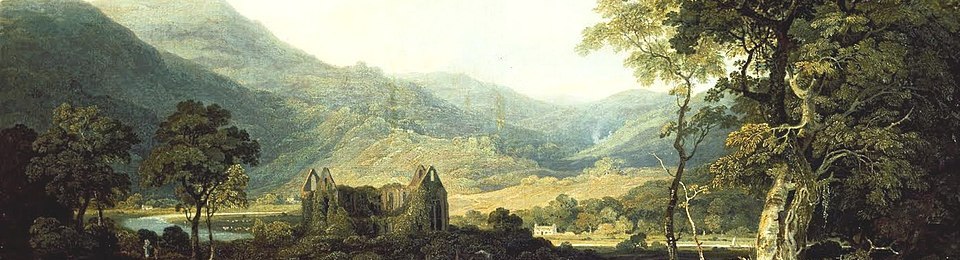
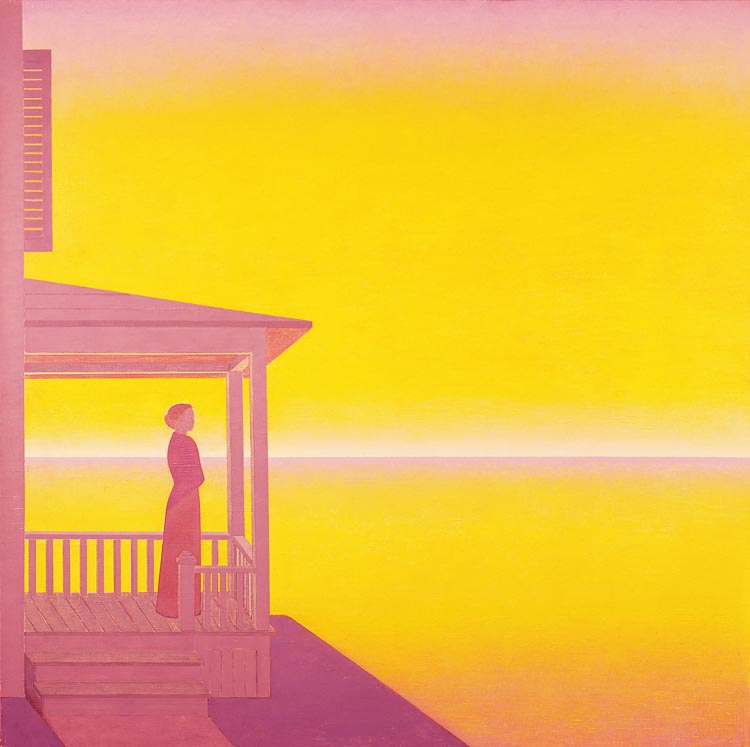
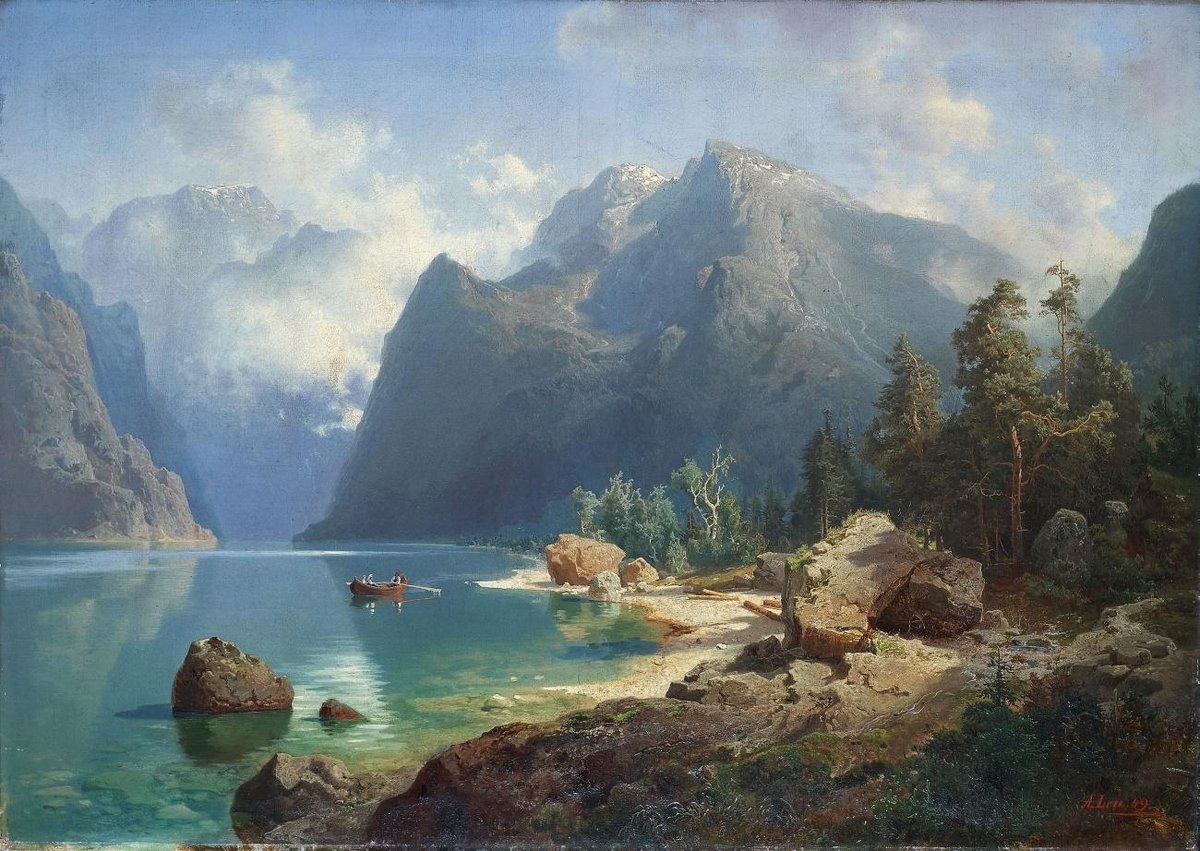
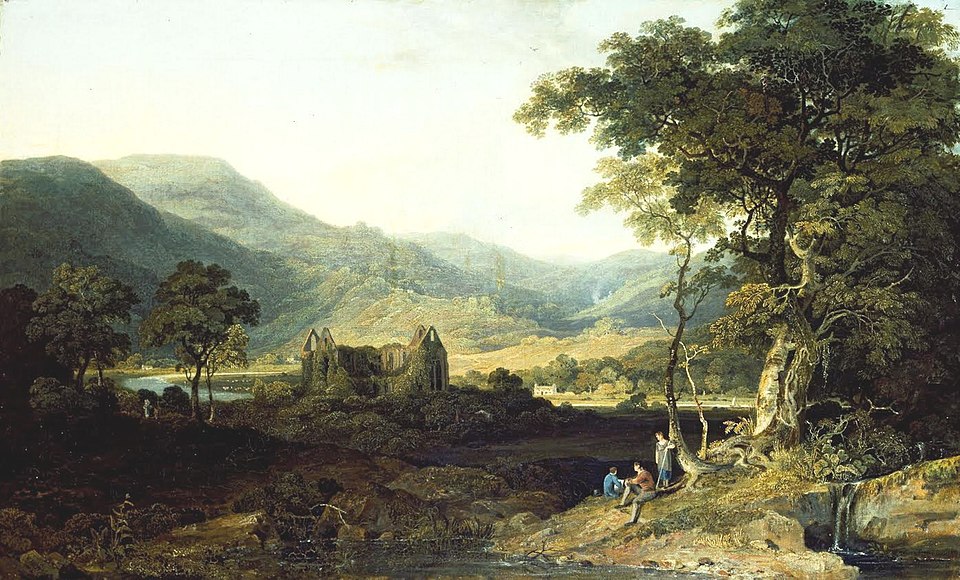
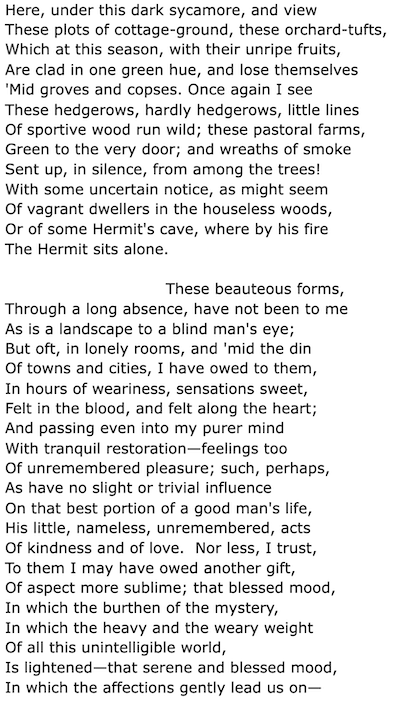
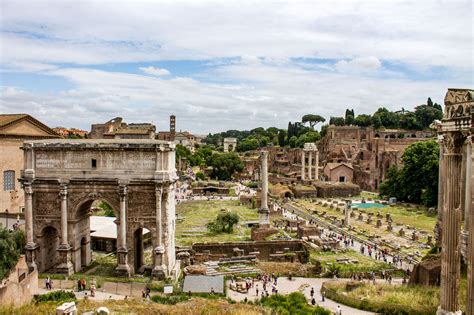
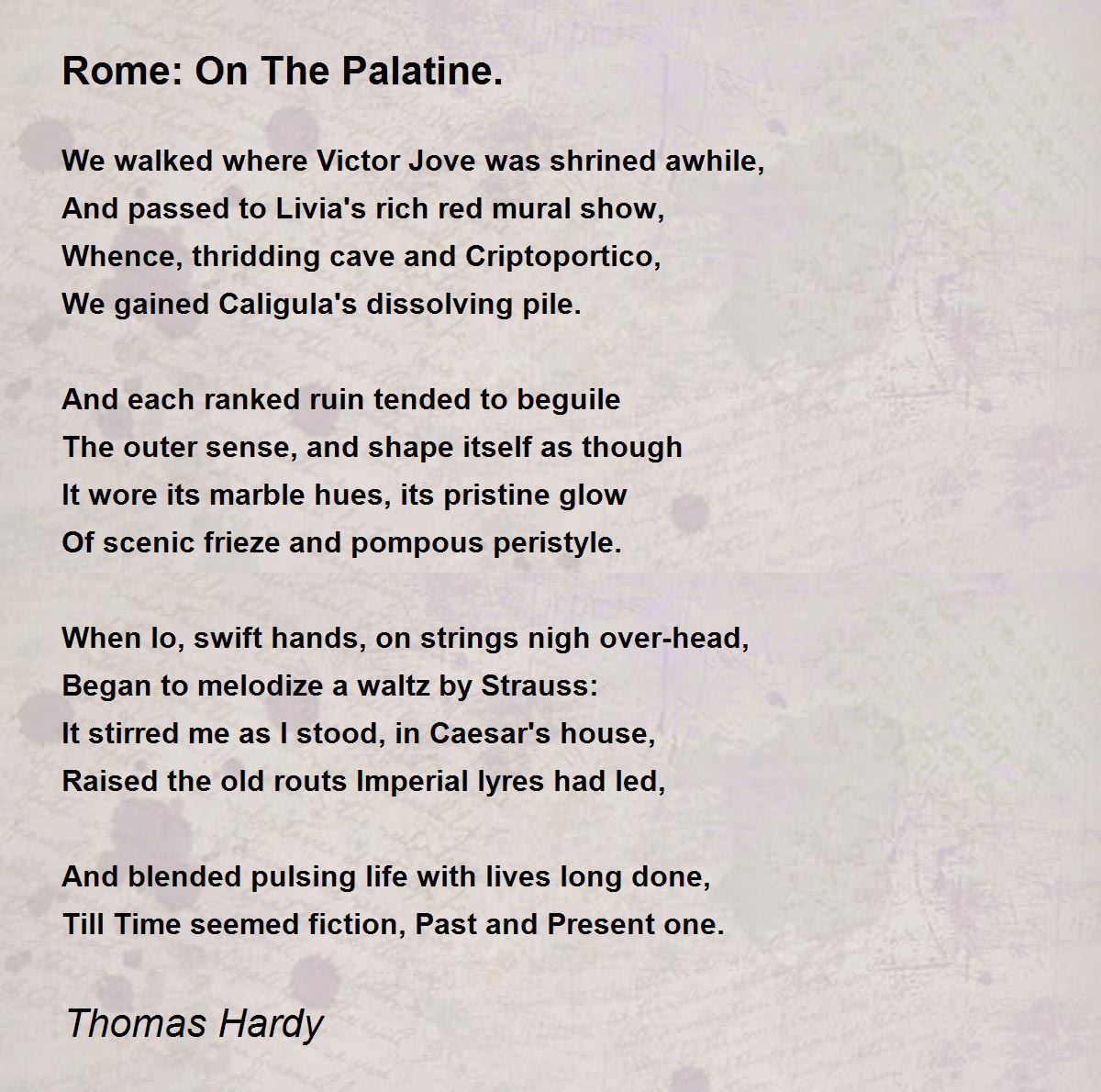
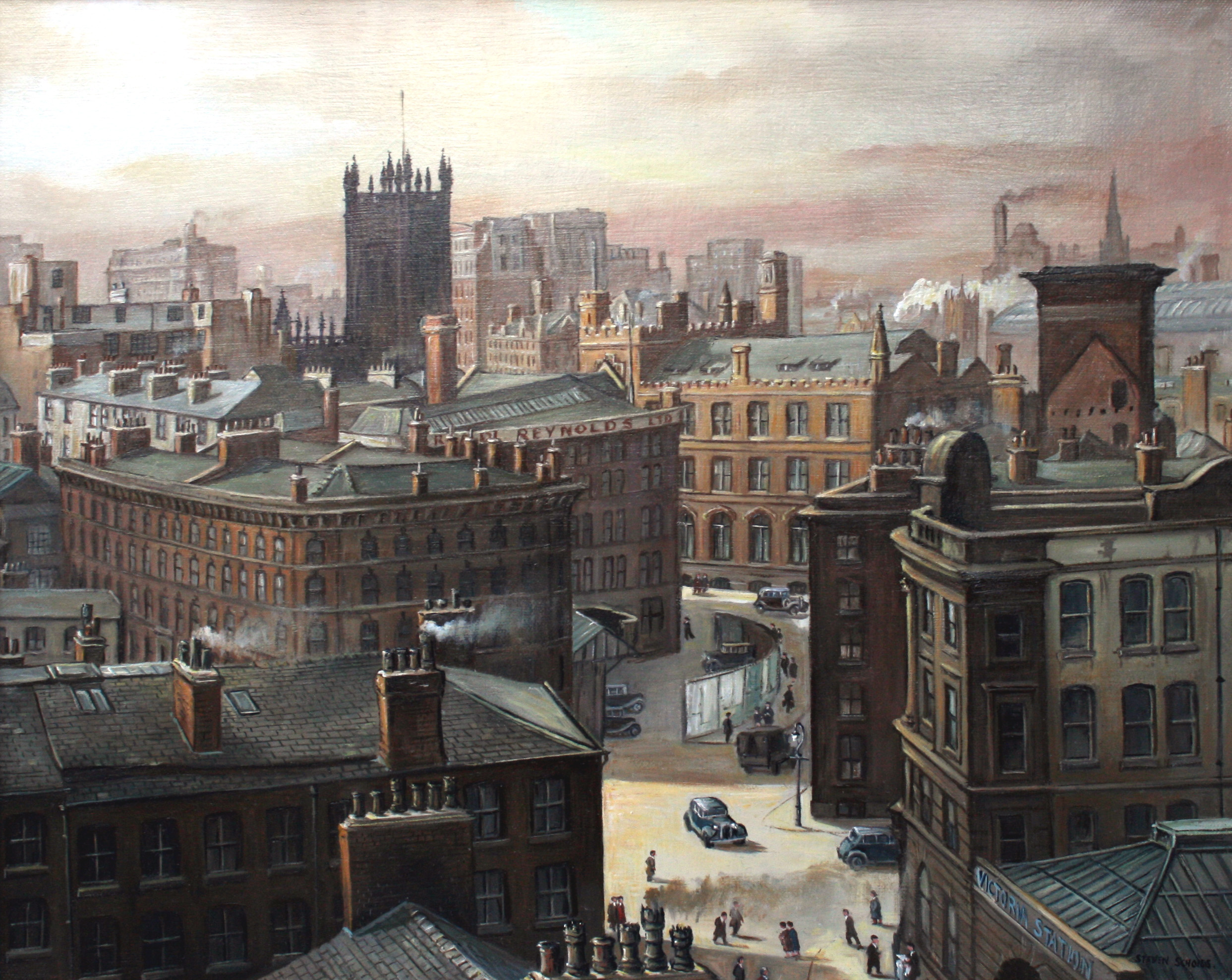
Many times our vacations accompany an ambition, not simply of discovery or relaxation, but of accomplishment, one that perhaps crystallizes in a particularly memorable view or an unexpectedly pleasurable sight, familiar or not, whether sublime or revelatory. This view once experienced then becomes intensely personal, even liberating, to us. It can function as an aperture or mirror, congruent or incongruent with what is happening within us, emotionally or spiritually.
I walked on, still delighted with the rude beauties of the scene; for the sublime often gave place imperceptibly to the beautiful, dilating the emotions which were painfully concentrated.” —
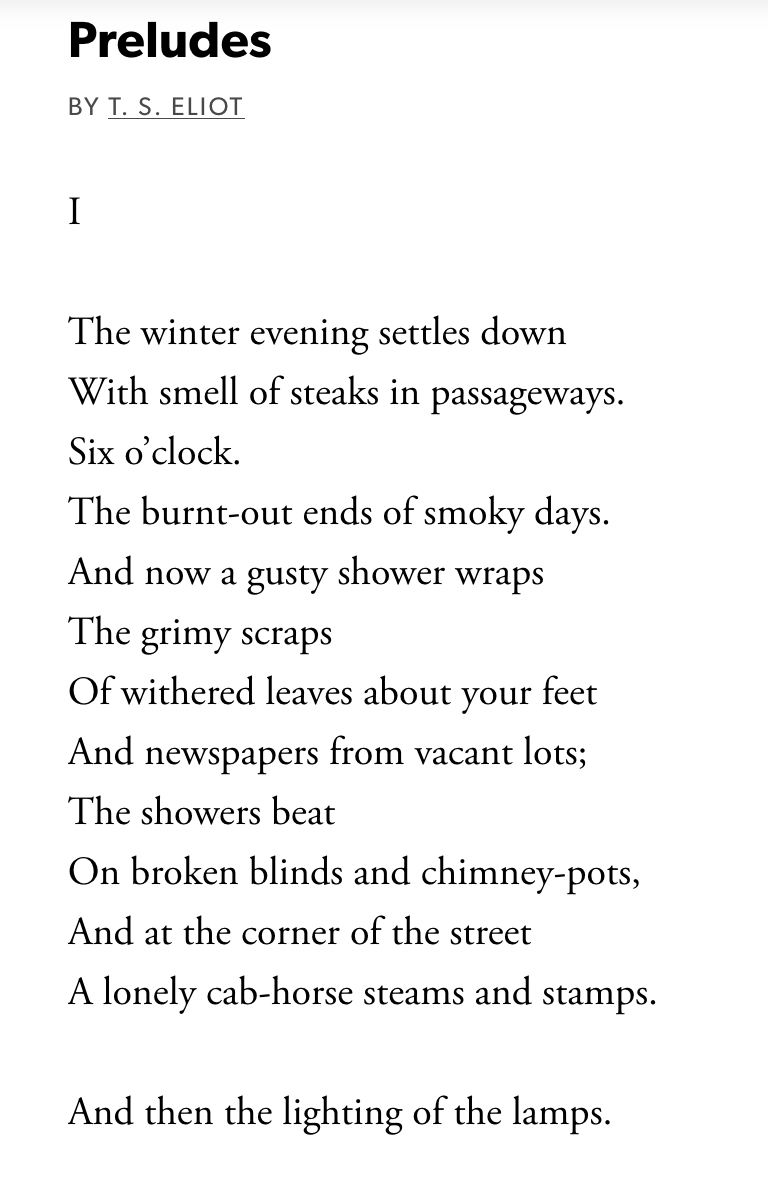
T. S. Eliot begins “Preludes” (1920) with an exterior view of an urban landscape shaded by the persona’s interior milieu as the poem’s opening stanza illustrates:
Landscapes enter our innermost being, they leave traces not just on our retinas but on the deepest strata of our personalities. Those moments when the sky’s blue-gray suddenly stands revealed after a downpour stay with us, as do moments of quiet snowfall.
Adam Zagajewski, Another Beauty (memoir), translated Clare Cavanaugh, 2000.
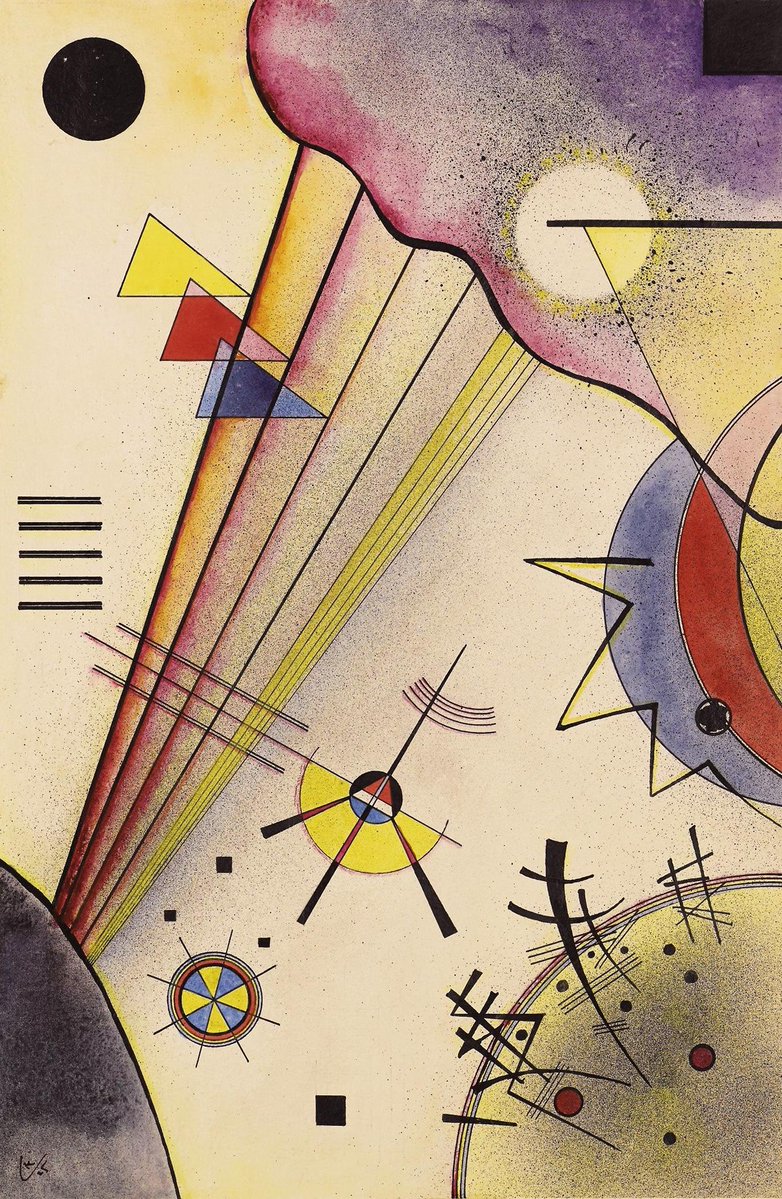
Wassily Kandinsky, “Clear Connection,” 1925. Watercolor and Indian ink on paper.
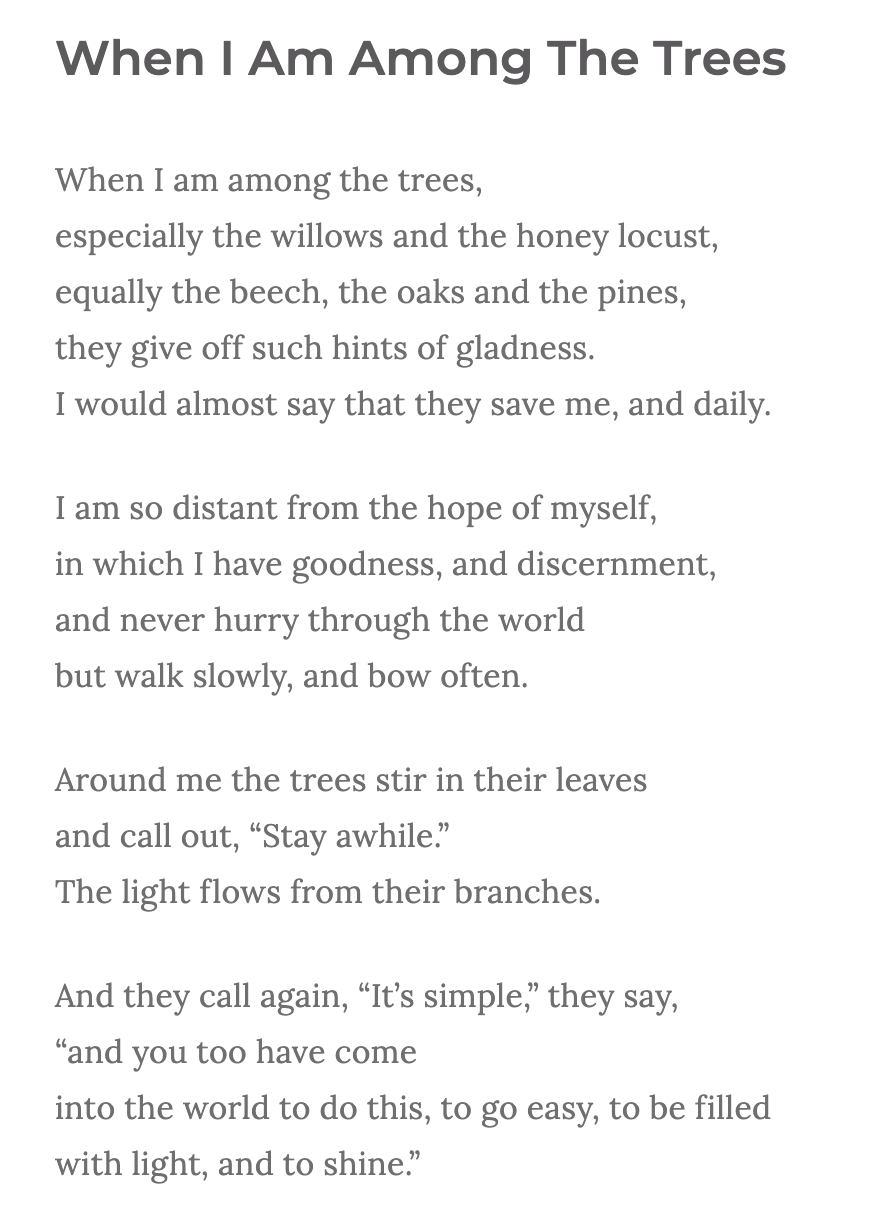
In “Spring” (The Dream of Reason, 2018), under poet Jenny George’s gaze, a simple nest evokes a sublime emotion.
Color is the keyboard, the eyes are the harmonies, the soul is the piano with many strings. The artist is the hand that plays, touching one key or another, to cause vibrations in the soul.
Kandinsky
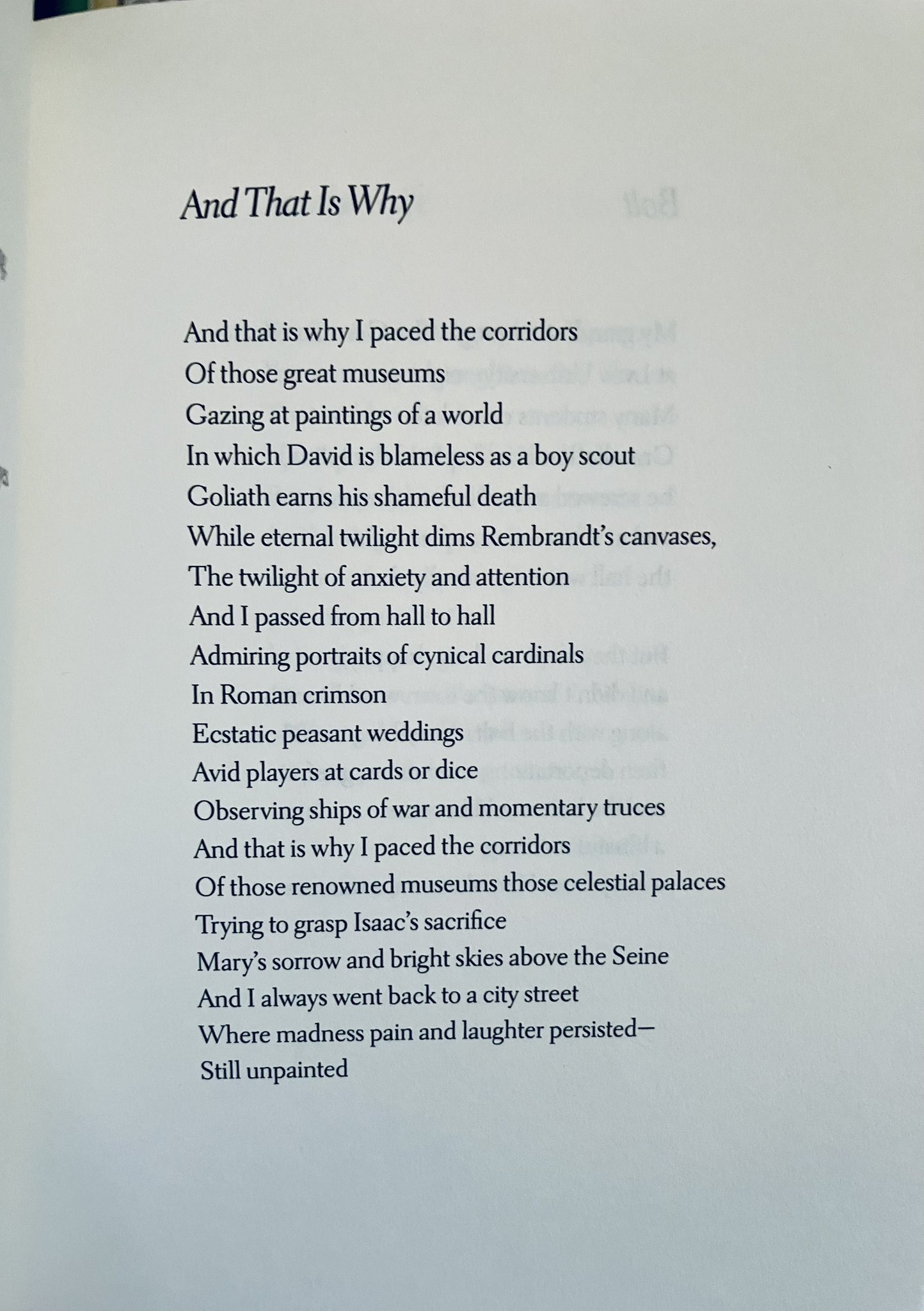
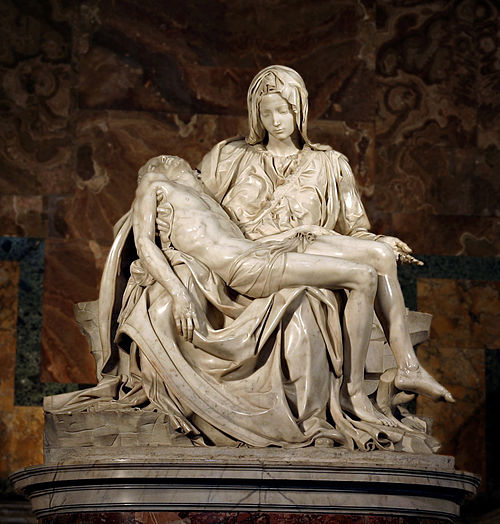
If trips to famous museums are on your vacation itinerary, Polish poet Adam Zagajewski shows how our surveil of the treasures of these “celestial palaces” can resonate within us on the deepest human level.
Michelangelo,Pietà (Madonna della Pietà, 1498-99 Adam Zagajewski (1945-2021), True Life: Poems, translated by Clare Cavanagh, 2023.
If I must die, you must live to tell my story to sell my things to buy a piece of cloth and some strings, (make it white with a long tail) so that a child, somewhere in Gaza while looking heaven in the eye awaiting his dad who left in a blaze– and bid no one farewell not even to his flesh not even to himself– sees the kite, my kite you made, flying up above and thinks for a moment an angel is there bringing back love If I must die let it bring hope let it be a tale
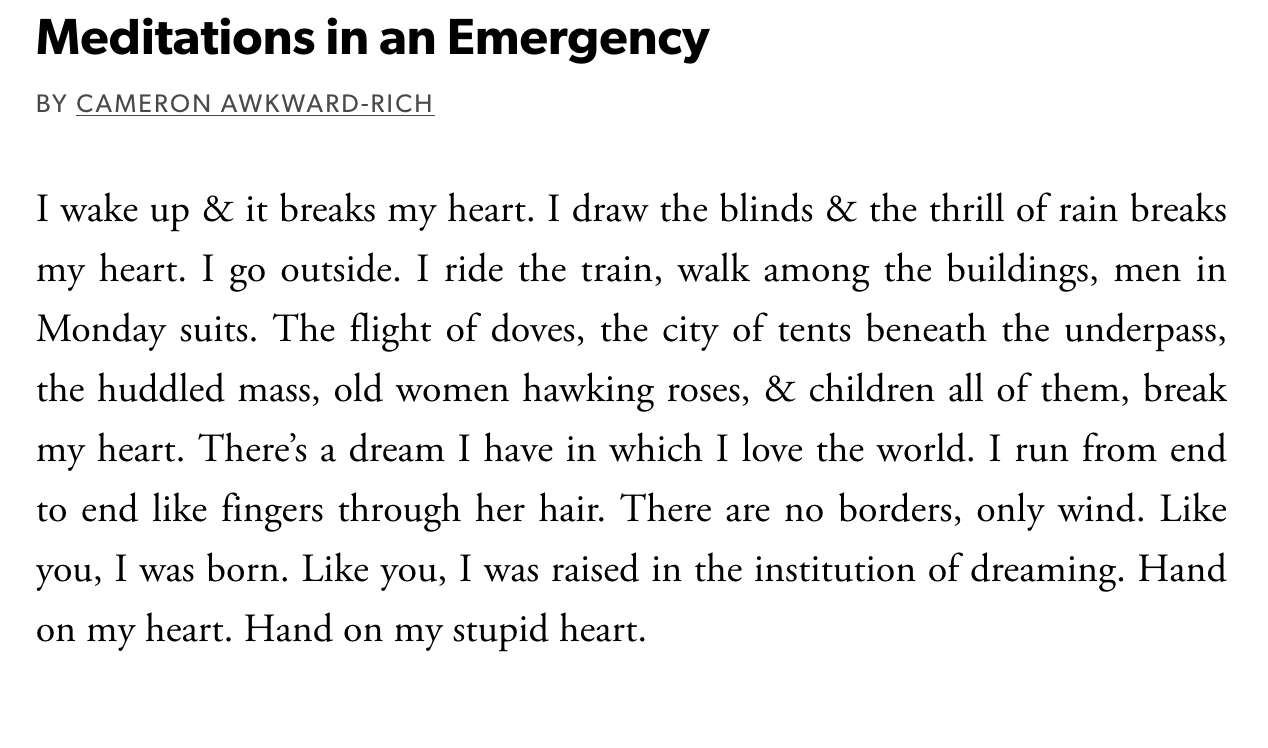
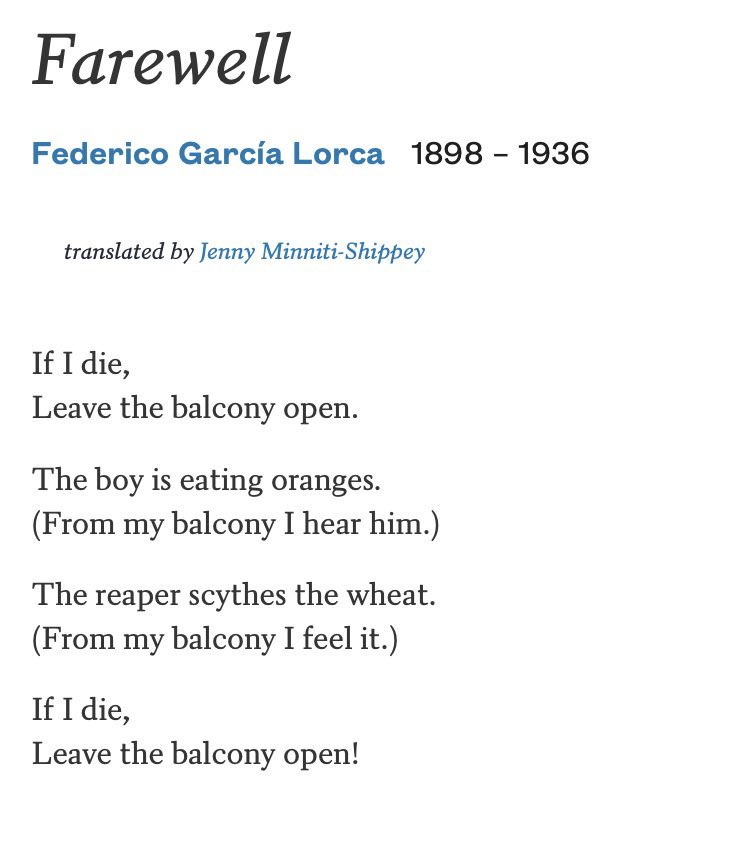
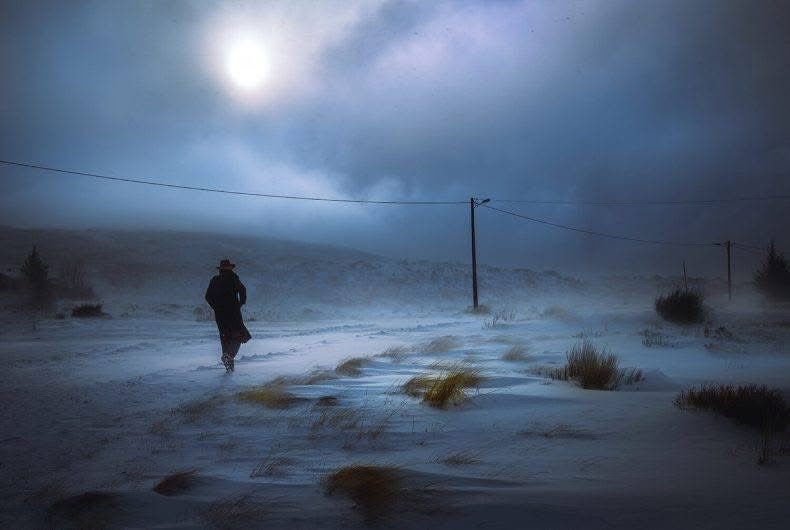
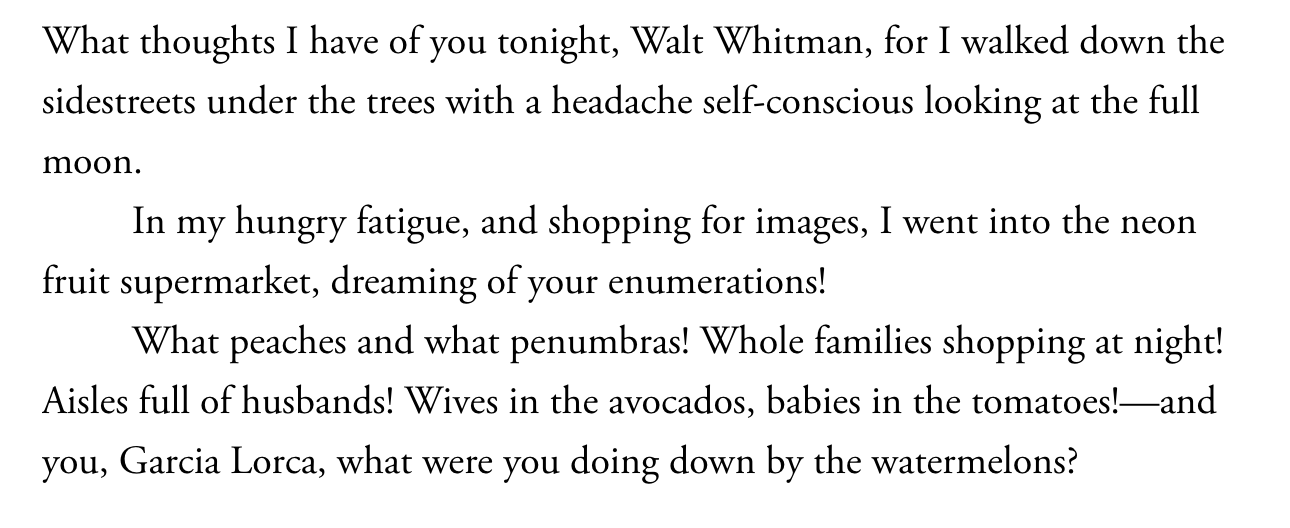
Poetics challenge: What I’d like us to do is to write a poem that conjures a view (whether from our travels or everyday life, whether from desire or experience) that is colored by the emotion of the moment. As always, if you’re stuck for inspiration, use one of the images or quotations above to inspire you.
New to dVerse? Here’s how to join in: * Write a poem in response to the challenge. * Post your poem on your blog and link back to this post. * Enter your name and the link to your post by clicking Mr. Linky below (remember to check the little box to accept the use/privacy policy). * Read and comment on your fellow poets’ work –- there’s so much to derive from reading each other’s writing: new inspiration, new ideas, new friends. Enjoy! * Mr. Linky will remain open until 3pm EST on Thursday, June 12th.
Things are heating up here in D.C. so we’ve got some homemade sweetened iced tea, cool cucumber sandwiches, pound cake and anything else that catches your fancy. Pub doors are open, so come on in!
So many different paths I could take this… but in the end I just went for a walk which is my favorite pasttime. I would love a glass of small beer tonight.
Good evening all, and thank you for the prompt and the wide range of example poems, from which it was hard to choose a favourite or two. Iced tea would be welcome today, which has warmed up a little. I hope my poem fits the bill.
what an array of poems you mined Dora – warmer here this evening so iced tea would be welcome. I was pushed for time so went with the first lines that came to mind – hope it fits the prompt
There were quite a few I left out, and went with the ones that gave a diverse sense of the theme. Here’s a tall glass of iced tea for you, Laura. Enjoy!
Hi Sanaa! I’m glad the prompt, as it is, stirred your muse. Your poem is so viscerally moving, a hallmark of your creativity, my friend. Tea and sandwiches coming right up.🤗💖
Hi Dora. Thank you for this amazing prompt with so many examples. Pound cake and tea please. Hope you will have a great summer and enjoy your break. Take care!
Dora, this is not saying goodbye….just, I’ll see you around the pub again…it’s such a great watering hole how can we not run into each other again? THANK you for all you’ve shared here and all the pub tending you’ve done!
Will return in the morning to enjoy reading the posts.
It’s certainly a great watering hole and I’ll be back soon enough, Lill, in the fall, in fact. So it’s temporary. Meanwhile, headed your way to see what vision you’ve created for us. Thanks again.
Lovely prompt Dora. You shared with us some wonderful works. I hope you enjoy your break from blogging for a while. I find I need that too from time to time just to find my creative spirit again ❤️☺️
Thank you, Christine. 💖 Sometimes I have to be forced into it as “life gets in the way.” I’m so glad you enjoyed the prompt but not, I fancy, as much as I loved the “old man” in your poem! 🩶🐘🩶
Hi Dora. Love the poems you curated for us for this interesting prompt. Should be able to post by tonight, depending on where the muse takes me. 😊
The tallest glass of iced tea for me, please! It was 111F yesterday and today promises to be equally hot! 🥵
Yikes! That’s a heat wave. I’ve brought a pitcher of iced tea with more on the way and a hope that you can stay cool even as your muse performs at its fever pitch! I expect nothing less from you. 🙌😀❤️
Off to work as usual on a Wednesday but I couldn’t resist your prompt Dora and it was so beautifully illustrated… You will be missed over the Summer. A cup of your finest coffee please to see me on my commute…
Stunning, accomplished presentation m’ dear. Easy, wrote about where I was…so very difficult too. Please bear in mind that I take each departure as a personal loss due to current circumstances, so hope your leave is very temporary. a
A glas of the very best water would go nicely…
So very kind of you, Ain, and I aim to be back. I was very moved by your poem and how hard it must have been to write. God bless you, my friend. The clearest, purest water for you … Be well.
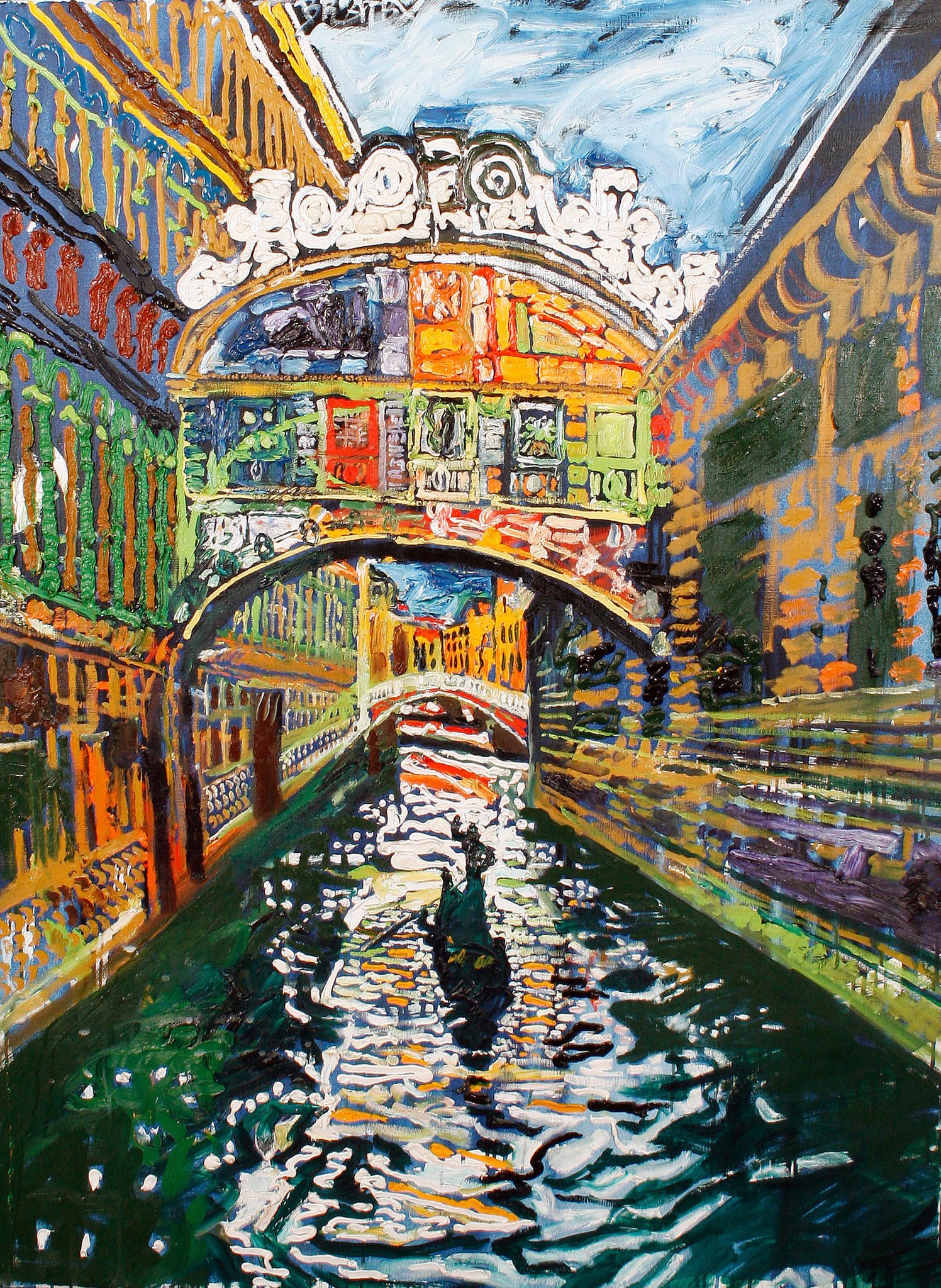
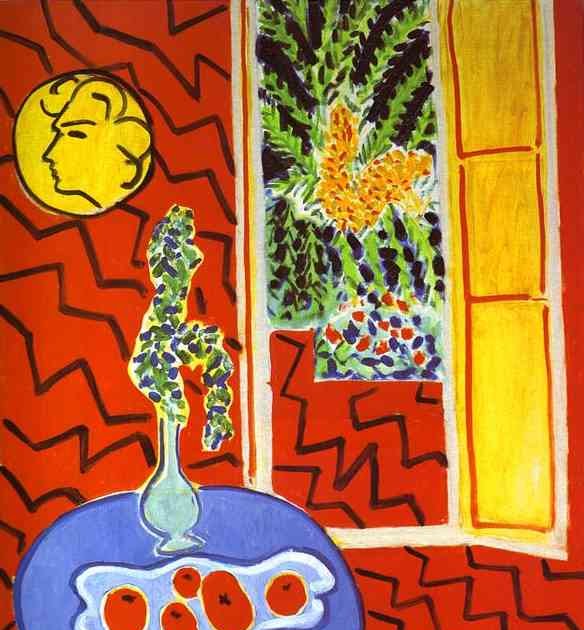
Iced tea would be nice, thank you. I wrote about a view of a narrow stream that flowed between walls, as in “The Bridge of Sighs,” in the colors of the sunny park scene I borrowed to illustrate the blog post.
Hello dVerse. It’s been ages since I participated here, so many other things going on – but Grace kindly invited me and so here I am. And what a gorgeous prompt! Thank you, Dora, for the wealth of material.
It’s winter here (Australia) so I’ll have me a nice warming rum and coke, thank you Bartender, while I go read other people’s poems now.
Welcome, Rosemary. I just finished reading your poem and I was swept away by it. What a magnificent view indeed! Thank you for sharing it with us and I hope you’ll be back for more visits at dVerse. Here’s rum and coke to warm you up. Have to say that in the midst of summer here, a little reminder of the chill of winter is not unwelcome.
Many thanks! I have popped in from time to time to read what’s happening here. Could never entirely cut dVerse out of my life. It has so much to offer, and many people here will always feel like friends. Yes, I do plan to participate rather more fully again.
I loved your poem, a little Wordsworth in the desert I thought! That Poetics deadline is way too short (ugh), but I surely hope you’ll post it for OLN (next week I think) so more folks can read it. ❤ Thank you so much for your good wishes. Have a wonderful summer, Jennifer.
Thanks so much, Dora! The Poetics deadline is often too quick for me to get mine in by. OLN is a nice net, though. Thank you again and I hope your summer is wonderful to you as well!




 dVerse
Welcome, everyone, to the dVerse Poet’s Pub!
Things are heating up here in D.C. so we’ve got some homemade sweetened iced tea, cool cucumber sandwiches, pound cake and anything else that catches your fancy. Pub doors are open, so come on in!
So many different paths I could take this… but in the end I just went for a walk which is my favorite pasttime. I would love a glass of small beer tonight.
Walks are the thing for me as well, Björn, solitary or no. A small beer coming up, my friend.
Good evening all, and thank you for the prompt and the wide range of example poems, from which it was hard to choose a favourite or two. Iced tea would be welcome today, which has warmed up a little. I hope my poem fits the bill.
Iced tea headed your way, Kim. And I’m ready to submerge myself in the natural imagery that is such a beautifully distinctive staple of your poetry.
Thank you kindly, Dora.
what an array of poems you mined Dora – warmer here this evening so iced tea would be welcome. I was pushed for time so went with the first lines that came to mind – hope it fits the prompt
There were quite a few I left out, and went with the ones that gave a diverse sense of the theme. Here’s a tall glass of iced tea for you, Laura. Enjoy!
Hello Dora and all!
This is such a fantastic prompt, and what a fine array of poems to use as springboard ❤️❤️
Cucumber sandwiches and iced tea please. Looking forward to reading everyone’s entries 😀
Hi Sanaa! I’m glad the prompt, as it is, stirred your muse. Your poem is so viscerally moving, a hallmark of your creativity, my friend. Tea and sandwiches coming right up.🤗💖
Thank you! ❤️❤️
Dora, I hope you enjoy your unblogging time. I’ll miss you!
My little bouquet is ready to enjoy. A glass of Moscato would go well with my offering.
Thanks so much, Nolcha. I’ll miss you too. I think I’ll join you in that glass of Moscato. Cheers!
Hi Dora. Thank you for this amazing prompt with so many examples. Pound cake and tea please. Hope you will have a great summer and enjoy your break. Take care!
Grateful for your good wishes, Grace, thank you! Tea and pound cake coming up. 💖💖
Dora, this is not saying goodbye….just, I’ll see you around the pub again…it’s such a great watering hole how can we not run into each other again? THANK you for all you’ve shared here and all the pub tending you’ve done!
Will return in the morning to enjoy reading the posts.
It’s certainly a great watering hole and I’ll be back soon enough, Lill, in the fall, in fact. So it’s temporary. Meanwhile, headed your way to see what vision you’ve created for us. Thanks again.
Lovely prompt Dora. You shared with us some wonderful works. I hope you enjoy your break from blogging for a while. I find I need that too from time to time just to find my creative spirit again ❤️☺️
Thank you, Christine. 💖 Sometimes I have to be forced into it as “life gets in the way.” I’m so glad you enjoyed the prompt but not, I fancy, as much as I loved the “old man” in your poem! 🩶🐘🩶
Hi Dora. Love the poems you curated for us for this interesting prompt. Should be able to post by tonight, depending on where the muse takes me. 😊
The tallest glass of iced tea for me, please! It was 111F yesterday and today promises to be equally hot! 🥵
Yikes! That’s a heat wave. I’ve brought a pitcher of iced tea with more on the way and a hope that you can stay cool even as your muse performs at its fever pitch! I expect nothing less from you. 🙌😀❤️
It is! 😅 Thanks for the pitcher. Fever pitch…😄… let’s see where it takes me. ❤️🙌🏼
Off to work as usual on a Wednesday but I couldn’t resist your prompt Dora and it was so beautifully illustrated… You will be missed over the Summer. A cup of your finest coffee please to see me on my commute…
So kind of you, Andrew. Thank you, my friend. And it’s a little late but perhaps the coffee will at least be waiting for you when you get home!
Many thanks Dora, great prompt idea and a great supporting resource too.
So glad you enjoyed it, Paul. Thank you. I’m headed your way soon to read. 🙂
A lovely prompt, Dora. I’m thinking.
I’m so glad! Can’t wait to see what you come up with.
🤗
Stunning, accomplished presentation m’ dear. Easy, wrote about where I was…so very difficult too. Please bear in mind that I take each departure as a personal loss due to current circumstances, so hope your leave is very temporary. a
A glas of the very best water would go nicely…
So very kind of you, Ain, and I aim to be back. I was very moved by your poem and how hard it must have been to write. God bless you, my friend. The clearest, purest water for you … Be well.
hi Dora! thank you very much for the prompt. so much goodness on this page! hoping you enjoy your summer sojourn. xx, ren
Thank you for your good wishes, Ren, and your poem was a “mai tai pink” treat to read. Wow. 💖
❤
Iced tea would be nice, thank you. I wrote about a view of a narrow stream that flowed between walls, as in “The Bridge of Sighs,” in the colors of the sunny park scene I borrowed to illustrate the blog post.
Hello dVerse. It’s been ages since I participated here, so many other things going on – but Grace kindly invited me and so here I am. And what a gorgeous prompt! Thank you, Dora, for the wealth of material.
It’s winter here (Australia) so I’ll have me a nice warming rum and coke, thank you Bartender, while I go read other people’s poems now.
Welcome, Rosemary. I just finished reading your poem and I was swept away by it. What a magnificent view indeed! Thank you for sharing it with us and I hope you’ll be back for more visits at dVerse. Here’s rum and coke to warm you up. Have to say that in the midst of summer here, a little reminder of the chill of winter is not unwelcome.
Many thanks! I have popped in from time to time to read what’s happening here. Could never entirely cut dVerse out of my life. It has so much to offer, and many people here will always feel like friends. Yes, I do plan to participate rather more fully again.
Glad to hear that!! I’m looking forward to reading more stellar poetry from you.
Wonderful prompt as always, Dora. ❤ I hope you enjoy your summer break! I am quite late for the prompt so I missed the link. But here is my response:
http://www.poetlaundry.com/2025/06/el-vernadero.html
I loved your poem, a little Wordsworth in the desert I thought! That Poetics deadline is way too short (ugh), but I surely hope you’ll post it for OLN (next week I think) so more folks can read it. ❤ Thank you so much for your good wishes. Have a wonderful summer, Jennifer.
Thanks so much, Dora! The Poetics deadline is often too quick for me to get mine in by. OLN is a nice net, though. Thank you again and I hope your summer is wonderful to you as well!