
Greetings to the pubsters who are gathered at this place of poetry and good cheer! Lisa here to bring you a prompt for Poetics Tuesday. It’s St. Patrick’s Day, a time I’ve come to associate with little people, lively music, heels clicking, and a wide variety of ale, beer, whisky, and cider potables to enjoy while getting rambunctious with like-minded friends.
I tried to find info on traditions associated with the holiday. I was surprised to learn some things I believed about the holiday were wrong. Here are a few:
Myth – St. Patrick was Irish. He wasn’t born from Irish parents or in Ireland
Myth – St. Patrick banished snakes from Ireland. Snakes have never lived in Ireland.
Myth – Green is the color associated with St. Patrick. Green is the color of Irish resistance.
Myth — Popular St. Patrick’s Day festivities have their roots in Ireland. Irish immigrants living in the United States began organizing parades and other events on March 17 as a show of pride in their heritage.
I found many web pages with excellent info on symbology. From History.com:
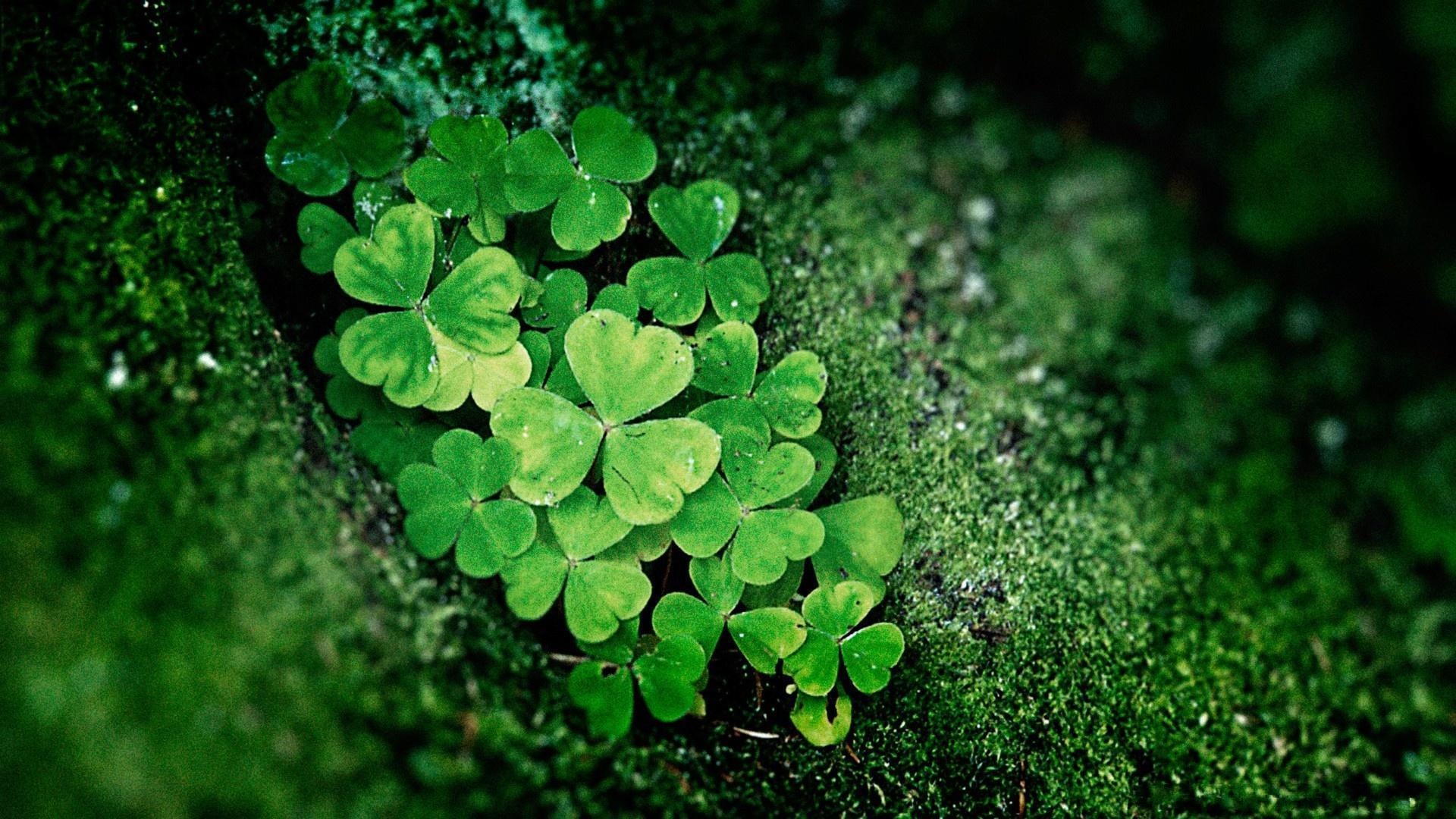
The Shamrock
The shamrock has been a symbol of Irish pride since at least the 17th century. The Celts called the three-leafed clover a “seamroy,” and it was a sacred plant in ancient Ireland because it symbolized the rebirth of spring. By the 1600s, the shamrock had become a symbol of emerging Irish nationalism. As the English began to seize Irish land and make laws against the use of the Irish language and the practice of Catholicism, many Irish began to wear the shamrock as a symbol of their pride in their heritage and their displeasure with English rule.
Now here is something I never thought I’d come across; a shamrock haiku:
sand fights with green grass
stern ground covered with red mold
enduring shamrock.
Irish Music
Music is often associated with St. Patrick’s Day—and Irish culture in general. From ancient days of the Celts, music has always been an important part of Irish life. The Celts had an oral culture, where religion, legend and history were passed from one generation to the next by way of stories and songs. After being conquered by the English and forbidden to speak their own language, the Irish, like other oppressed peoples, turned to music to help them remember important events and hold on to their heritage and history. However, the English then outlawed music as it often stirred emotion and helped to galvanize people. During her reign, Queen Elizabeth I even decreed that all artists and pipers were to be arrested and hanged on the spot.
The Snake
It has long been recounted that, during his mission in Ireland, St. Patrick once stood on a hilltop and, with only a wooden staff by his side, banished all the snakes from Ireland. In fact, the island nation was never home to any snakes. The “banishing of the snakes” was really a metaphor for the eradication of pagan ideology from Ireland and the triumph of Christianity. Within 200 years of Patrick’s arrival, Ireland was completely Christianized.
Celtic Snakes
by L. Spirit

Inchagoill Church in lichen- filled silence
Ancient beams echoing voices that once filled
arched walls made of stones from River Corrib
ruins still standing on valleys and hills of Galway.

A winding waterway connects past to present day
A time when Druids cast circles under Oak trees
and Pagans worshiped the Earth's sacred beauty
until Patrick of Saints drove away Snakes.

Old Ways lost in a tempest of passing centuries
The old Church transforming to Earth again
Oblong windows mirror a sapphire infinity
Purple clouds rain inside watering graves.

Moss grows soft on broken stairways
A man sits quietly, lighting his pipe
smoke ringing his face, his faded eyes of gray
gaze in veiled silence, his mind wandering...

Ancient glens and fields alight with emeralds
shining green/ golden in a sylvan mystery
The man gathering stones from a forest glade
A rock still wet from river's passion kisses.

Taking back what was once stolen away
Returning to the Ireland he so loves today
those driven Snakes slithering free again
winding through three- petaled shamrocks...

Growing wild inside ivy -shrouded passageways
pale ghosts glimmer in glow of evening
shadows rising from stones before him
in misty shades of Celtic memory.

WHAT’S YOUR LEPRECHAUN NAME? FIND OUT HERE
Leprechauns
The original Irish name for this figure of folklore is “lobaircin,” meaning “small-bodied fellow.” Belief in leprechauns probably stems from Celtic belief in fairies, tiny men and women who could use their magical powers to serve good or evil. In Celtic folktales, leprechauns were cranky souls, responsible for mending the shoes of the other fairies. Although only minor figures in Celtic folklore, leprechauns were known for their trickery, which they often used to protect their much-fabled treasure. Leprechauns have their own holiday on May 13 but are also celebrated on St. Patrick’s Day, with many dressing up as wily fairies.
Escape of the Leprechaun
by Andrea Dietrich

When a leprechaun tightly I caught,
I was hoping for gold in a pot.
But that trickster escaped.
At my hands I just gaped.
His wee britches were all that I got.
Your challenge for today, if you choose to accept it, is to choose any image, object, song, or concept from the post and use it to inspire a poem. Also acceptable for this prompt is short prose or song lyrics.
New to dVerse? Here’s how to join in:
-
Write a poem (in any form) in response to the challenge.
-
Enter a link directly to your poem and your name by clicking Mr. Linky below
and remember to check the little box to accept the use/privacy policy. -
You will find links to other poets, and more will join so please do check
back later to read their poems. -
Read and comment on other poets’ work– we all come here to have our poems read.
-
Please link back to dVerse from your site/blog.
 dVerse
The Pub is Open!
Hi Lisa! I so enjoyed reading your prompts so I’ll see if I can come up with something, but even if I don’t, can I still hang in the bar? I’ve had a long day and would love an energising ginseng tea if there’s one going 🙂
Welcome, Nina! Of course hang in the bar as long as you’d like. Brewing energizing ginseng tea right now for you. Thanks for reminding me I have some ginseng tea in my cupboard 🙂 Cheers!
😄 Thanks!
Gillena, not sure if it is WordPress or Blogger, but I can’t make a comment on your poem. Will leave you a comment at yours at my blog.