***Announcement***
REMINDER! Two chances to join OLN LIVE this month! Thursday, July 20, from 3 – 4 PM EST AND Saturday, July 22, from 10 – 11 AM EST. You may still link one poem as usual for OLN (Open Link Night) even if you not attend a live session. Hope to see you there!

Greetings! Michelle Beauchamp (aka Mish) here as your host for Prosery today.
This writing challenge of prose can be flash fiction or creative non-fiction. It cannot exceed 144 words (sans title). It must not be poetry (ex: no line breaks, versification, meter). It must contain the given line of poetry within the body of the prose. You may break up the line with punctuation, capitalization, add words to the beginning or end of it but you cannot insert words within the line. Those are the rules, now let’s dive in.
I chose the work of Rainer Maria Rilke (1875 – 1926) to explore as I found it to stand out from the poetry of his era. After doing more research into his bio, it became clear that he played a significant role in bridging the gap between traditional and modernist poetry.
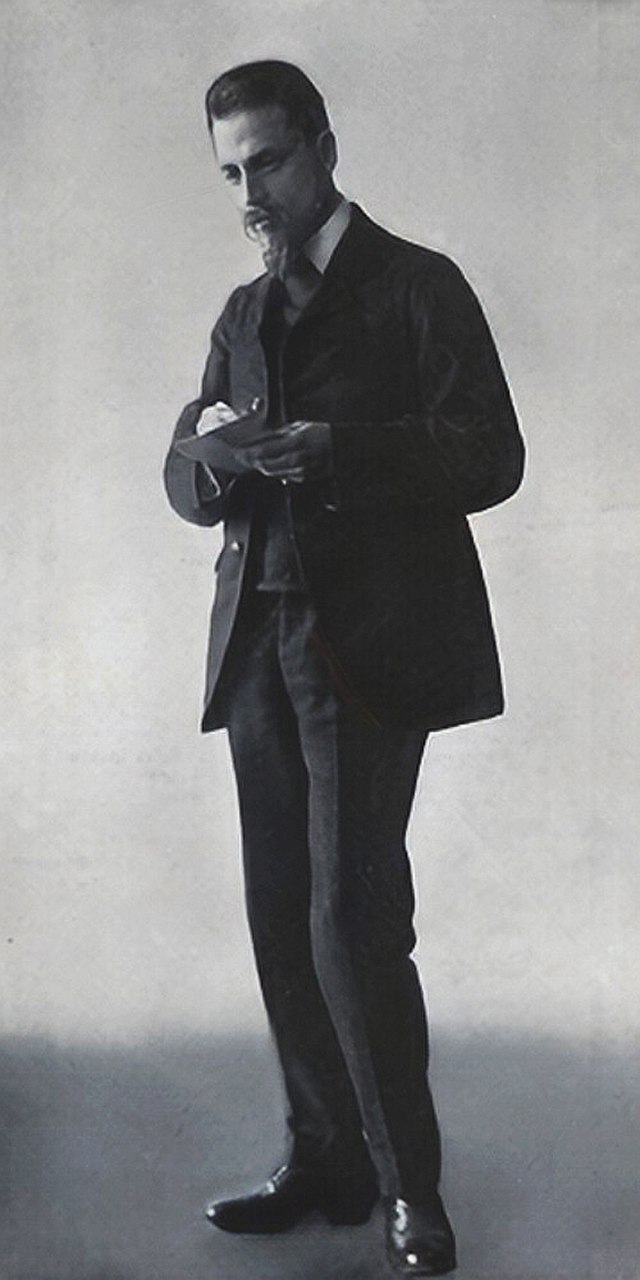
Born in Prague, the capital of what was then Austria-Hungary, Rilke was originally named “Rene Maria” . As a result of his mother’s longing for a daughter who had died in infancy, she dressed and treated him as a girl in his early years. His parents separated and at the age of ten, he was sent to military academy by his father. After five unhappy years there he attended a German prep school, but eventually returned to Prague to study literature, art history and philosophy.
In 1895, Rilke published a volume of love poetry, called Life and Songs. However, his most influential poetry blossomed in the 1900’s with Duino Elegies and Sonnets to Orpheus. His most recognized prose works are Letters to a Young Poet and The Notebooks of Malte Laurids Brigge . He often wrote of angels, roses and figures of Greek mythology. There are themes of love, life, loneliness, childhood fears, religion, the human condition and the meaning of life. At one point, his style took a turn, with the introduction of “object poems” (Ding-Gedicht) , a collection called New Poems. Much of his work has a mystical or philosophical quality that I was very drawn to. He speaks of the co-existence of beauty and suffering, life and death. His poetry and lyrical prose has been quoted in movies and music.
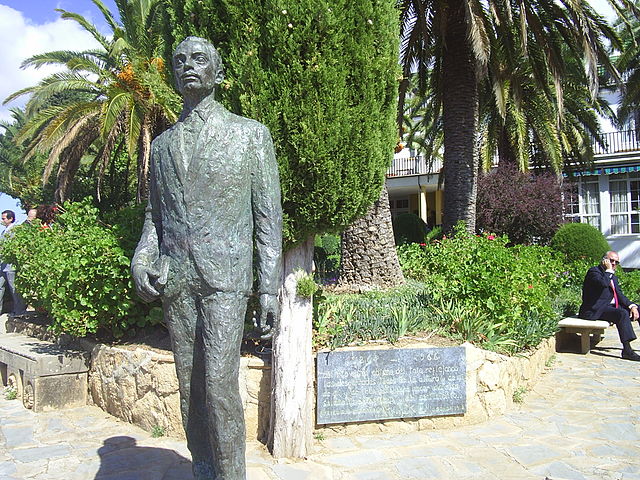
Though he was highly respected by his peers, he was quite unknown to the public. As the story goes for many poets of his time, the true impact of his work occurred after his death, influencing many well known poets worldwide. Rainer Maria Rilke died of leukemia in Switzerland in December of 1926.
The line I have chosen for you to include in your prose is from the poem, “The First Elegy”, Duinos Elegies by Rainer Maria Rilke. You can find the entire poem here.
For beauty is nothing but the beginning of terror.”
from “The First Elegy”, Duinos Elegies by Rainer Maria Rilke
Sources: www.allpoetry.com, www.poemhunter.com, www.thoughtco.com, www.wikipedia.com,
Here’s how to join in:
- Write a piece of flash fiction or other prose no more than 144 words that includes the line given.
- Post your prose on your blog.
- Click on Mr. Linky below to add your name and direct url to your prose.
- Add a link for dVerse on your page so others can find us.
- Visit your fellow poets on the list to read their poems and comment.
- Pull up a seat at the pub to say hello.
- Enjoy!
 dVerse
Good evening all and thank you, Mish, for a Rilke Prosery prompt! As you’ll see in my post, I have loved Rilke’s work since I was sixteen, and really enjoyed writing to this prompt.
Hello Kim 🙂 I’m glad you enjoy Rilke too. I found him so insightful for the times and even comforting in his pieces about grief and loss.
Welcome word wizards!
I’m hoping your muse can find some light in this seemingly dark line by Rilke. On the menu today we have peach pie and strawberry shortcake. Ontario fruits are in season! The bar is stocked but today’s special drink is a blueberry mojito or mocktail if you prefer. Enjoy the poetry trail. 🙂
I’ll have strawberry shortcake! Extra strawberries, please!
Absolutely, Melissa. Enjoy!!
Thank you Mish, I had a bit of time to work on my Prosery … early bird and all! LOL. Blueberry mojito for me and half slice strawberry shortcake … (I have been wandering off my food plan lately.)
Hi Helen! A generous half slice coming up…enjoy. 🙂
Hello Mish and All. Beauty and terror took my mind to a dark place this time. A blueberry mojito sounds delicious, I’ll take one please, with some strawberry shortcake. YUM!
Hi Lisa…shortcake and mojito coming your way! I love dabbling in the darker side, so I’m looking forward to reading it.
Thanks much, Mish. Cheers!
Hi, Everyone! Thank you for the great line, Mish!
Hiya Merril…I’m happy you liked it. 🙂
A blueberry mojito and those desserts sound fabulous. Yay for summer produce!
One blueberry mojito and a tasting of each dessert for you, Merril. Cheers to summer produce! I think we both can appreciate. 🙂
😋
Thanks Mish for today’s prompt. Happy Monday to all
much🤍love
Hi Gillena….thanks for joining in. 🙂
hi all
thanks for adding yet another poet to my ever growing to read list mish. something strong to knock me out after this one. catch up in the morning
rog
Hi rog, I’m happy to add another to your list 🙂 A shot of Canadian whiskey should do the trick. Have a good night.
Thank you
Rilke, one of the greats for me, thank you Mish, and what a great line.
You honoured it well! Thanks for joining in, Paul.
Thank you very much indeed Mish, wouldn’t have missed it for the world.
Great choice Mish 🙌
Thank you. 🙂 On the darker side but thought it would challenge. Thanks for joining in.
I am real late but my life is currently overwhelm. Thanks for hostin’ Mish. My new poem and my new digital art is up now
So glad you could join us, Rob. Thanks and take care. 🙂
Please may I have a Pimms?
Thank you Mish for the inspiring and interesting prompt. 🌹
Just posted my response:
Thank you!
I’d never heard of a Pimms. Had to do a little research but this pub has it all so you’re in luck. Thanks for joining in. 🙂
Cheers Mish 🥂😊