Tags
#VictorianRhyme, Amaral, Anders Zorn, art, Henri Rousseau, Luck, Pre-Raphaelite, Rituals, Van Eyck
Greetings, poets, and welcome! I’m Dora of Dreams from a Pilgrimage, your host for poetics where we ritually sharpen our creative tools and carve out a poetic space each week to take on a new challenge. Speaking of rituals, perhaps you follow one or two in obeisance to good fortune and Lady Luck?
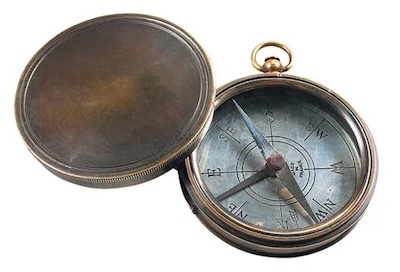
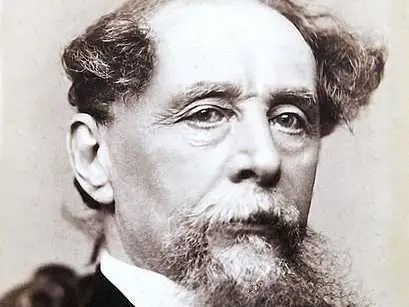
Charles Dickens, for one, believed that sleeping facing north helped his creativity. Richard Burton wouldn’t act without red socks on. Pablo Picasso apparently “would not throw away his old clothes, hair trimmings, or fingernail clippings for fear it would mean losing part of his ‘essence.’” Steve Jobs was not only known for walking barefoot on company grounds and always wearing the same black turtleneck and jeans, but he would bathe his feet in the toilet water of the Apple restrooms to de-stress, according to his authorized biography by Walter Isaacson. Serena Williams tied her shoelaces the exact same way and reportedly wore the same pair of socks during a tournament run.
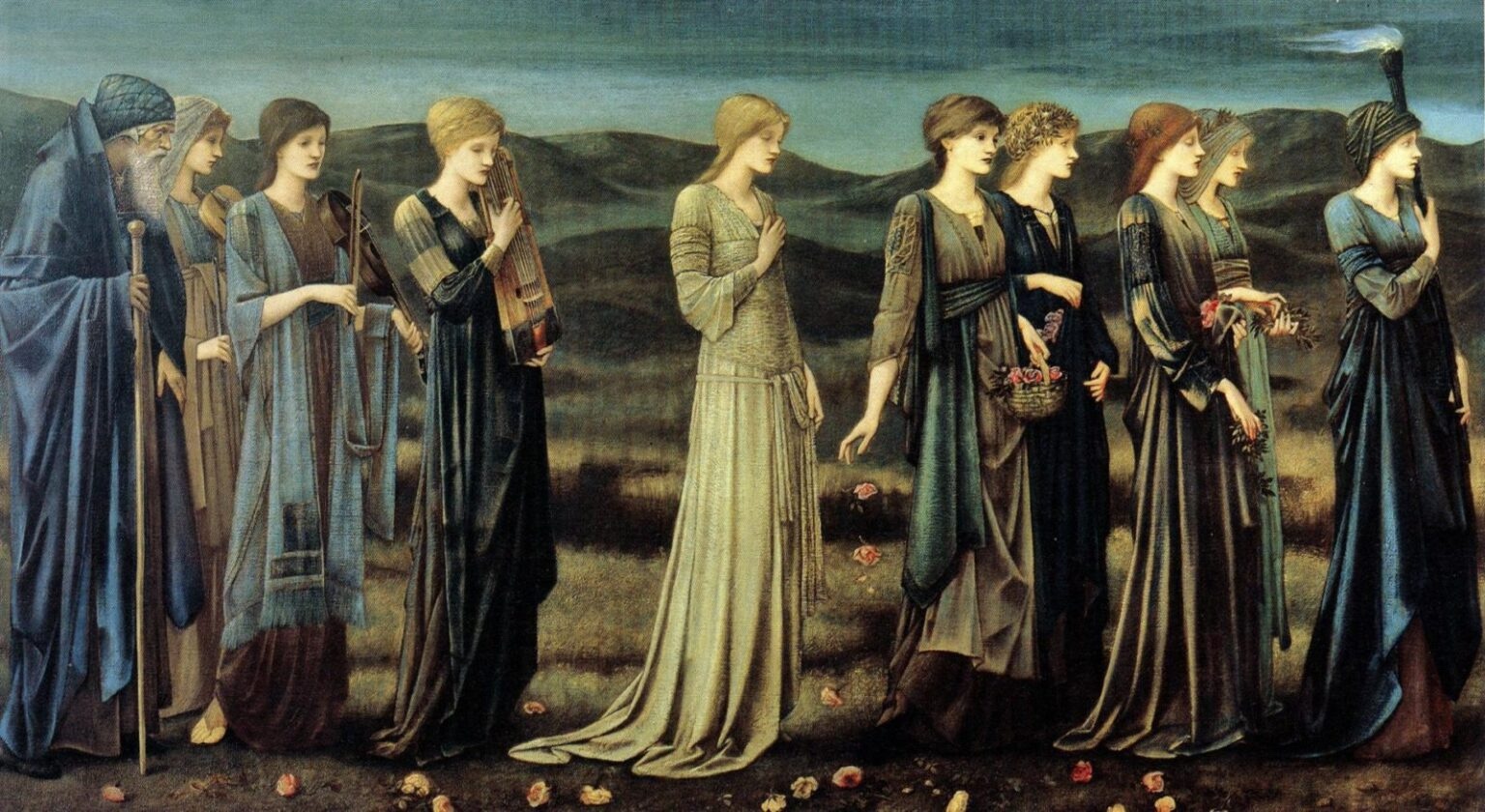
But more appropriate to our time of year, June is the quintessential propitious month for a most common ritual, weddings. The month itself is named after Juno, the Roman goddess of marriage, home, and childbirth. The story goes that a couple married in June can expect to be under Juno’s protection and enjoy prosperity and happiness, staving off all manner of bad luck. Then there’s fortune tellers who conduct a booming business in forecasting the best wedding dates, even to the time of day, by casting cards, runes, bones, beads, or stones, and studying tea leaves and astronomical charts.
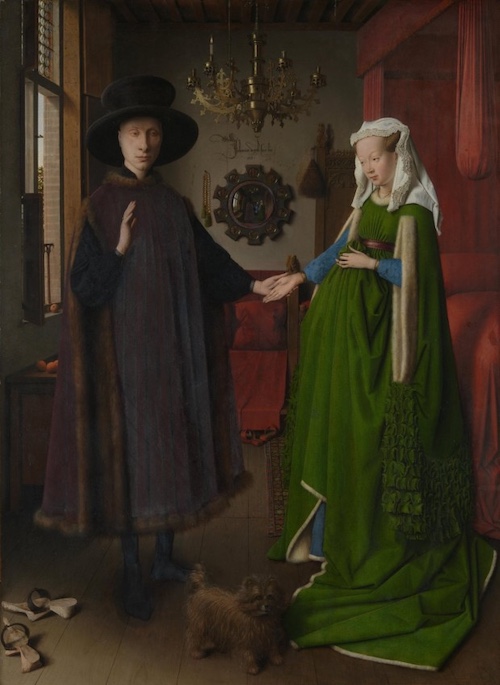
And if they don’t want to barter with a middle-man, a bride and groom can take matters into their own hands by partaking of auspicious customs that can ward off bad luck, like the popular one formalized in this familiar Victorian rhyme:
Something old, something new
Something borrowed, something blue
And a sixpence in her shoe.
Variations on the rhyme include “your” instead of “her” or “silver” before “sixpence,” or specify the coin being placed in the left shoe.
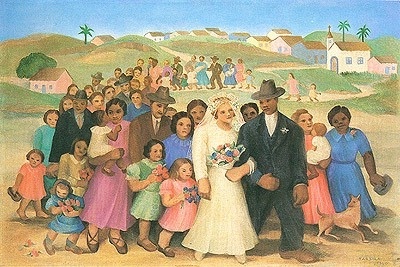
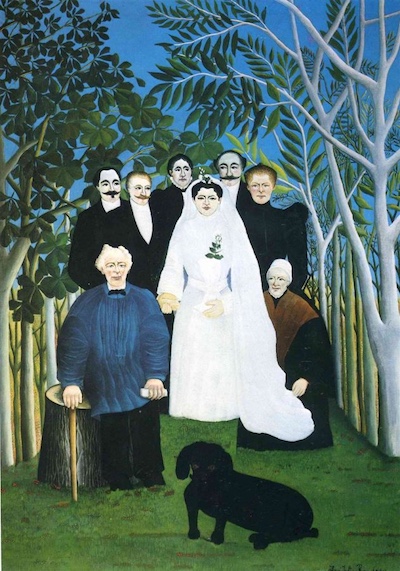
In keeping with this practice, brides and grooms carry a coin at the marriage ceremony or wear lucky tokens listed in the rhyme. According to one folklorist, “the ‘something blue’ takes . . . usually the form of a garter, an article of dress which plays an important part in some wedding rites, as, for instance, in the old custom of plucking off the garter of the bride. ‘The something old’ and ‘something blue’ are devices to baffle the Evil Eye. The usual effect on the bride of the Evil Eye is to render her barren, and this is obviated by wearing ‘something borrowed’, which should properly be the undergarment of some woman who has been blessed with children: the clothes communicate fertility to the bride.”(TillyOnline)
Of course, what makes this custom popular today is perhaps more family tradition and sentiment than superstition. As decrees that oracle of fashion, Vogue: “While the tradition is meant to bring about good fortune to a couple as they tie the knot, it’s also a fun opportunity to get creative with how you style your wedding look. Here, you can bring more sentimentality into your ensemble by wearing borrowed pieces from friends and family members, have some fun with vintage pieces as your something old, and add a touch of color to clean bridal white with your something blue.”
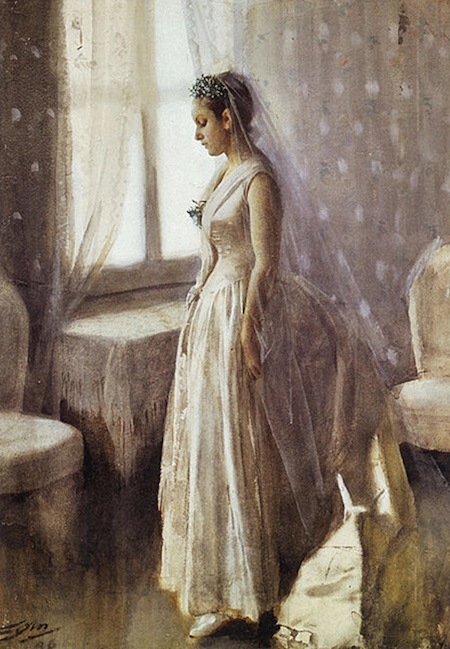
So let’s play with this bit of rhyming folklore and see where it takes us. Your challenge? Pick one of the following two options:
1) Use one (or more) of the five phrases in the Victorian rhyme either as a title for your poem or within your poem. You can write about marriage or not. The subject of the poem is wholly up to you.
OR
2) Riff off this rhyme. Let it take you wherever it takes you, from the romantic and sentimental to the fantastic or macabre. What charms or rites, humorous or serious, would you include for a particular occasion’s success (or failure)? What ritual or recipe for good fortune, peace, or harmony? For writing? Just put it in a poem, narrative, lyrical, or anything in between. And good luck!
New to dVerse? Here’s how to join in:
* Write a poem in response to the challenge.
* Publish your poem on your blog and link back to this post.
* Enter your name and the url to your post to Mr. Linky below.
* Read and comment on your fellow poets’ work –- and enjoy!
Poetics closes at 3 PM (EST) on Thursday.


Welcome, Poets! Pub doors are open on this beautiful Spring day. I’m looking forward to reading your poems!
Had to try myself at this, at first it was not easy but then I took it to where the rhymes led me… that painting by Zorn was new to me.
I thoroughly enjoyed your poem, Björn, and the rhymes smoothly oiled the dramatic narrative. I was happy to discover that Zorn painting — it’s one of the most beautifully atmospheric portraits of a bride I’ve ever seen.
Hello Dora and All! I will be writing to your prompt, but later. Heading over to spend time with fam at fmg in GR in a few minutes. Looking forward to writing to and reading work inspired by it.
Thanks for dropping by, Li. Have a great time with your fam! ❤️🥰
You’re welcome. Thanks, I did.
Perfect. I can’t think of a nicer way to spend the day.
A great prompt Dora – you inspired a song 🎵😄
OMG. I’m rocking out to it right now. 🎵😍🥰 THUMBS UP.
Thanks Dora that’s made my night 😀
thanks Dora. A great prompt. Xo, Selma
Thank you! I’m glad you enjoyed it, Selma. Can’t wait to read your poem! 🙂
Ah what a delightful rhyme to riff off, many thanks Dora. In a humorous mood 😊
Glad you liked the rhyme, Paul. Thanks for stopping by. Humorous, eh? I’m prepared for anything now. 😀
A lovely prompt, Dora. Thank you. I didn’t know the sixpence line. I think it’s mostly left off now. I love the artwork in your post. The Arnolfini Portrait has fascinated me since I was a teen. We saw the Rousseau painting at an exhibition this past year.
Thank you, Merril. That last line was new to me too and placed it very firmly and quaintly in the Victorian era. Do you know I read in passing that the Arnolfini Portrait was painted on the occasion of the couple’s wedding, which given the bride’s obvious pregnancy, makes for some interesting conversations to say the least. Kudos to them, posthumously of course. 🙂
You’re welcome, Dora. Yes, it sixpence and wedding rituals does sound Victiorian.
Art historians are still discussing the painting. It may or may not depict a wedding. It may or may not be Arnolfini. The woman’s rounded stomach might be a symbol of fertility, or it could be sbe died in childbirth. One article I read pointed out all the death symbolism in the painting, including in the mirror. It’s fascinating!
You don’t say! Well, let the art historians squirrel it out. The painting as is, is beautiful and intriguing in and of itself.
😊
Hello, Dora. Great prompt!
Thank you and thanks for dropping in, Jay. I’m happy to know you enjoyed the prompt. Looking forward to reading your poem! 🙂
Hi Dora. An interesting prompt. The artwork you have shared is fantastic. Enjoy the spring! ❤️
Thank you, Punam! I’m so glad you enjoyed the prompt and the art. The spring weather is still cool here but I know you’re having some sweltering heat over your way. Stay cool, my friend. Can’t wait to read your poem! 🤗❤️
You are so welcome, Dora. The heat has subsided just a wee bit. May be you sent cool spring breeze this way! 🤗❤️
I’d like to think so! Anything for you! 🌷
Aww! 💐
A lovely prompt, Dora. Thinking.
I’m glad you like it, Robbie. I’m waitin’ … and eagerly. 🙂
I will post tomorrow. A crazy week 😘
You’re alright, Robbie. Sounds good! 🤗
💞
Thanks for this fabulous challenge, Dora. I may be a little slow making rounds. I recently had hand/wrist surgery and I’m still recovering. ❤
What a treat you give us in your poem, Jennifer, much more than an old Victorian rhyme can take credit for!! I pray you heal completely and quickly from your surgery, friend. Be well. ❤
Thank you so much. Your words and your prayers mean so much to me!
((Hugs))
Take care, Jennifer. ❤️
Thank you! I will and I am. ❤
❤️❤️
Dear Poets,
This is a comment I didn’t want to leave, however we have not read our friend Rob Kistner’s poetry since late April. Knowing he lived in Washington State I did a Google Search and found an obituary. I hope with all my might this isn’t the Rob Kistner we all enjoy so very much ~~ I am fearful it is. Helen
https://neptunesociety.com/obituaries/lynnwood-wa/robert-kistner-12873854
Helen,
I’ve missed Rob’s presence here too. His last post was April 21st and I fear you are right even as I hope he hasn’t left us and we’re being horribly premature. Perhaps he will see this and respond. Or maybe he has already responded with the last lines of his last poem:
everything leans
slightly forward—
as if escape
is already happening
https://www.image-verse.com/sekoto
💔
Dora, I also returned to read the last twelve or so of his poems ~ the line you shared felt foreboding to me, as did several others. I knew he had been struggling with health issues.
This may be as much as we ever know. But I hope he realized how much he was loved and respected for the music that came through his poetry, for his great heart that he shared with us with every comment and peace emoji left on our blogs. I’ll miss that.
Helen, I did a quick search after I read your comment, and I found this:
https://www.instagram.com/p/DYC-lwMjB_2/
I remember Rob telling me he was born in Ohio, me telling him my Sister lives in Ohio. The obit mentioned Ohio as birthplace.
I hope we can find out for certain. Such sad news if it is him.
Hi Dora, this post took me a while to put together but here it is at last: https://roberta-writes.com/2026/06/06/roberta-writes-dverse-poetics-w3-bird-of-the-week-and-thursday-doors/
Amazing, Robbie. You’re a powerhouse of creativity. 🙏🏽❤️
Thank you 🤗🥰
You’re welcome. 🙂❤️
💚